Understanding Your Cat’s Behavior: Mood, Disorders, and Solutions

kedilerde-davranis-bozukluklari

Although cats are often described as “unsociable” and “aloof,” this does not fully capture who they really are.

Sometimes they choose to be alone, but they can also be loving, playful, and sociable.

Just like humans, cats also experience emotional and physical changes. While some of these changes are natural, others may manifest as behavioral issues.

Here are the most common cat behavioral problems, their causes, and solutions:
asosyal-kedi

1-Aggression

Aggression in cats is often the result of externalized stress, fear, or a desire for control. This behavior can disrupt the cat’s harmony with its environment and may also pose a threat to the owner’s safety and the peace of the household. Reactions such as sudden scratching, biting, or attacking other cats may be signs of the cat’s efforts to defend itself or protect its territory.

saldirgan-kedi

Possible Causes:

  • The desire to assert dominance 
  • Hunting instinct
  • Pain or injury
  • Excess energy (hyperactivity)
  • Unknown causes

Symptoms:

  • Attacking other cats
  • Goosebumps
  • Urine marking
  • Claiming objects and scratching
  • Freezing up or hiding out of fear

2-Depression

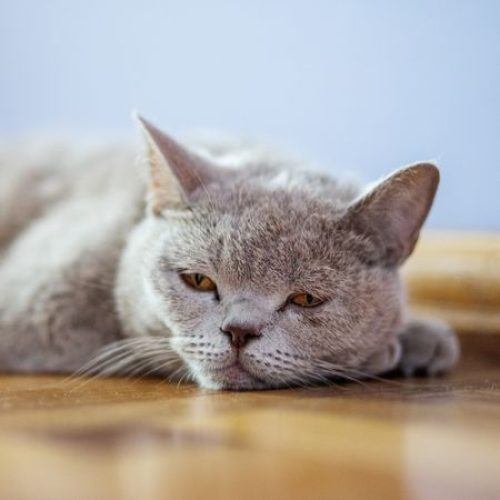
Yes, cats can also experience depression. Environmental changes, separation from a loved one, lack of attention, or health issues can trigger this condition in cats. Cats experiencing depression typically become more withdrawn and lose interest in play and interaction. This condition negatively affects both their overall health and their bond with their owners. By recognizing the signs early, you can provide support to your cat sooner and help them regain their former cheerfulness.
kedilerde-depresyon

Possible Causes:

  • Environmental changes (moving, a new pet, disruption to the home routine)
  • Parting from a loved one or being alone
  • Lack of interest and play
  • Chronic health issues
  • The aging process or hormonal changes

Symptoms:

  • Loss of appetite
  • Excessive shedding
  • Reluctance to play and interact
  • A tendency to avoid crowds and seek seclusion
  • Don’t be easily scared or startled

3-Maternal Disorder

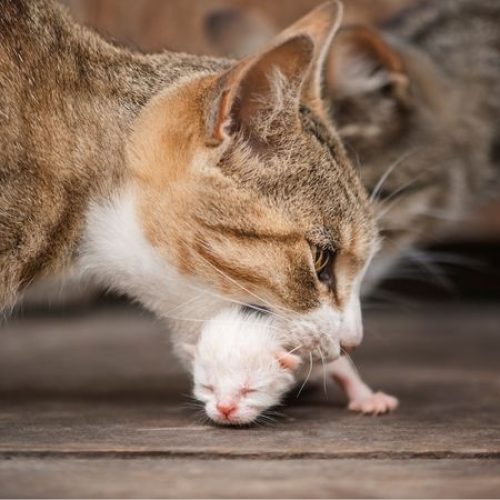
When a mother cat rejects her kitten, fails to nurse it, or does not build a nest for it, this is referred to as “maternal dysfunction.” This condition poses serious risks to both the mother cat’s health and the kittens’ survival. If it is not detected early and addressed properly, the kittens’ development may be negatively affected.
kedilerde-maternal-bozukluk

Possible Causes:

  • Complications during childbirth
  • The mother being in a stressful or insecure environment
  • Hormonal imbalances
  • The mother's health issues (infection, pain, etc.)
  • Lack of experience or first-time childbirth

Symptoms:

  • Refusal to nurse the young
  • Abandoning the nest or neglecting the chicks
  • Aggressive behavior toward the young
  • Constant restlessness or hiding
  • Failure to transport or protect the young

4-Pica Syndrome

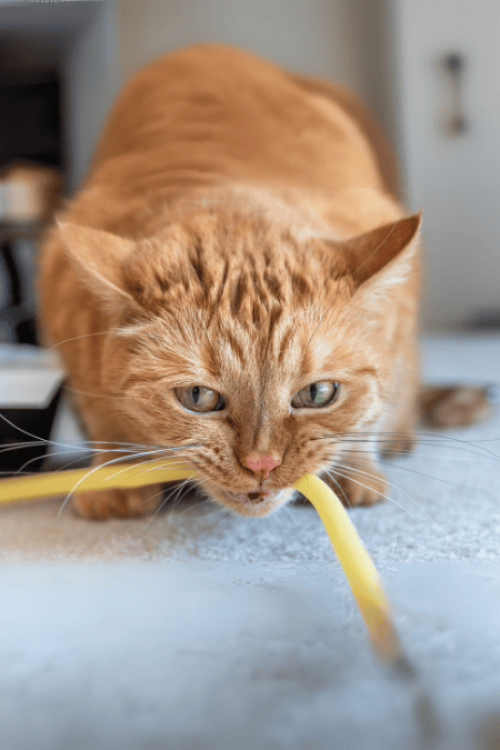
Pica syndrome in cats is defined as the behavior of eating non-nutritive substances. This condition is commonly observed in cats that exhibit a tendency to chew or swallow objects such as plastic, fabric, string, or paper. Pica syndrome is typically caused by stress, boredom, malnutrition, or a desire for attention. Since it can lead to digestive blockages in the long term, it requires careful monitoring. If detected early, this behavior can be managed through environmental adjustments, increased play and attention, and proper nutrition.
kedilerde-pika-sendromu

Possible Causes:

  • Digestive system problems
  • Liver diseases
  • Vitamin and mineral deficiencies
  • The mother's health issues (infection, pain, etc.)
  • Behavioral issues (stress, anxiety, desire for attention)

Symptoms:

  • Chewing or swallowing objects such as plastic, fabric, string, or paper
  • Showing interest in foreign objects other than regular food
  • Constant gnawing or biting marks on objects
  • Vomiting or digestive problems caused by swallowed objects
  • A constant restlessness and a tendency to cause trouble

5-Behavioral Problems Related to Anger

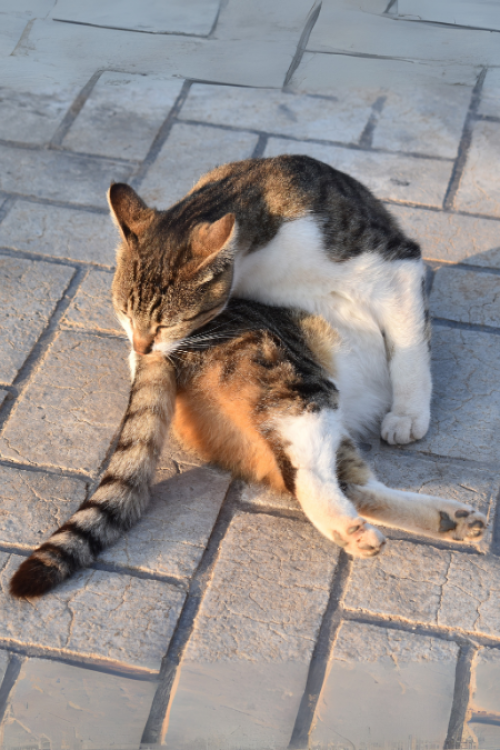
A cat’s heat cycle can lead to various behavioral issues due to hormonal changes. During this period, cats may meow more than usual, act restless, mark their territory, or show excessive attention toward their owner. While this is a natural process for the cat, it can make life difficult for both the cat and its owner.
kizginliga-bagli-davranis-problemleri

Possible Causes:

  • Hormonal changes
  • Mating instinct
  • Lack of sufficient physical and mental stimulation
  • Stress or anxiety

Symptoms:

  • Meowing more than usual and at a high pitch
  • Constantly waiting in front of a door or window
  • Increased friction and rolling behavior

  • Marking objects or specific areas with urine

  • Showing excessive attention toward the owner or restlessness

6-Stress

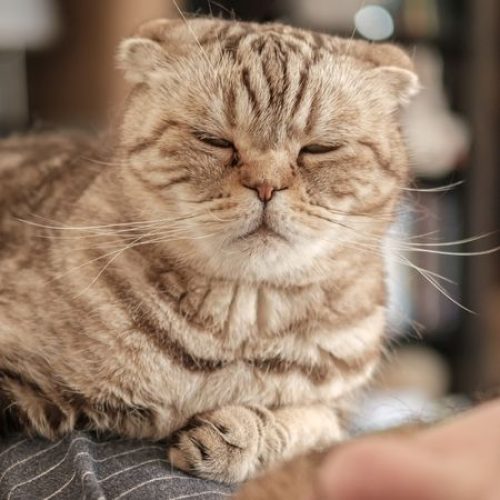
Stress in cats can stem from many different causes, such as environmental changes, loneliness, lack of attention, or health issues. A stressed cat may often appear restless, withdrawn, or exhibit unusual behavior. Prolonged stress can weaken the immune system and have negative effects on both mental and physical health. Therefore, it is crucial to recognize changes in your cat’s behavior early on and take steps to help them relax.
kedilerde-stres

Possible Causes:

  • To part with one's owner
  • Moving
  • Interest from foreigners
  • Young children's excessive affection
  • Restrictions on access to the restroom

Symptoms:

  • Sleep disorder
  • Loss of appetite
  • Aggressive or shy behavior

What Can You Do for Your Cat?

If you notice a sudden change in your cat’s behavior, observe them closely. If the problem persists, be sure to consult a veterinarian. Early diagnosis is crucial for both your cat’s health and your peace of mind. Remember: Your cat isn’t just meowing—it’s also sending you messages through its behavior. Understanding it is key to ensuring it leads a happy and healthy life.


Below you will find products that can help support
your cat's needs regarding the behavioral problems we mentioned in this article.

How to Get Cats and Dogs Used to Each Other?

These days, we share our homes with various kinds of animal companions. As time goes on, the number of people sharing their homes with one or more pets is steadily increasing. In some homes, you might find people living with two or three cats, while in others, cats and dogs live together. Sometimes, even having animals of the same species together can lead to occasional conflicts and various problems. When it comes to cats and dogs of different species living together under the same roof, people often feel anxious and resort to various methods to make it work. Contrary to the clichés we’ve heard over the years, cats and dogs are not natural enemies, and it is entirely possible for them to live harmoniously in the right environment. In this article How to get a cat and a dog to get along sorusunun cevabı aranacaktır.

The Process of Getting a Cat and a Dog Used to Each Other

For cats and dogs to live harmoniously in the same environment, those responsible for the animals must create the necessary conditions. There are certain key points that people should keep in mind in this regard. How to get a cat and a dog to get along We can address the answer to this question as follows, using the points below:

  • Getting Animals Used to Each Other While They Are Young: Like humans, animals also learn many things at a young age and tend to demonstrate what they’ve learned as they grow older. The best time for cats and dogs to get used to each other is when they are still puppies or kittens. For both species to comfortably accept a different species, they need to become familiar with each other at a young age.
  • Preparing the Necessary Environment: The most important thing a cat and a dog need during the process of getting used to each other is to feel safe. Creating an environment where these animals feel safe will reduce the tension they feel toward one another and prevent them from perceiving each other as a threat.
  • Introducing Animals to Each Other: Before they meet in person, it is important to let the cat get used to the dog’s scent and the dog get used to the cat’s scent. This way, they will already be familiar with each other’s scents when they first meet, and the familiar scent will help reduce feelings of threat.
  • YNC PET AROMATHERAPY SERIES Thanks to high-quality oils specially formulated to be used in appropriate doses and regimens for cats and dogs, aromatherapy can help promote calmness in these animals, thereby preventing unwanted behaviors caused by anxiety and stress. Aromatherapy essential oils formulated for your cats and dogs help prevent conditions such as depression and anxiety. They soothe and help foster a sense of security.

If a dog is moving into an area where a cat has previously lived;

  • Before the dog arrives, you may need to gradually get your child used to both the dog’s voice and its scent.
  • It’s also important to place the cat’s food and water bowls, as well as its litter box, in a spot where the dog can’t reach them during the first few weeks.
  • When the dog first arrives, you need to keep it under control and make sure it doesn’t scare the cat.
  • Allowing them to sniff each other in a controlled manner would be the right thing to do.
  • At first, it would be a good idea not to leave the two animals alone together.
  • Cats are more sensitive about their personal space than dogs. For this reason, you also need to make sure your dog is aware of these areas.
  • KOOL KAT® Starting to use it a while before the meeting will help your cat stay calm when encountering the dog. It will help prevent any anxiety that might arise. 

If a cat is coming to a home that already has a dog;

  • It’s important that you’re the one who brings the cat home. You need to show the dog that you’ve adopted the cat. That way, the dog will be more likely to accept the cat, using you as a reference point.
  • You need to help the two animals get to know each other in a controlled manner, as described above. After a while, it’s important to create an environment where the cat can roam freely around the house.
  • It is important to reward the dog when it behaves calmly and positively toward the cat. This way, the dog will learn how to behave in the right way more quickly and easily.
  • Once the cat arrives, continuing—and even increasing—your communication with your dog and the attention you give it will help your dog accept the cat.
  • You should be careful not to leave the two animals alone together until you are certain they have fully accepted each other.
  • KOOL DOG®  It significantly reduces behavioral issues caused by changes or stressful situations and, over time, prevents these issues from occurring. By restoring your dog’s sense of security, it helps them feel at ease when encountering cats.

While this exercise may be more tedious for some species, it can be more difficult for others. If you encounter any difficulties, How to get a cat and a dog to get along You can seek professional help in this matter.

How to Potty Train Your Dog?

Dogs are man’s best friends, known for their loyalty and affection. While there are many benefits to living with a dog, there are also some drawbacks. The biggest challenge of owning a dog is managing their bathroom needs. Like cats, dogs may not know where to go to the bathroom at first. That’s why they need to be trained.

Potty Training for Dogs

Potty training for dogs, a topic that many people interested in keeping a dog at home often wonder about, köpeklerde tuvalet eğitimian important topic to understand in order to minimize your dog’s potty problems and manage its bathroom needs. The reason a dog relieves itself in the same spot or in an area where it has previously gone to the bathroom is that it has not been properly potty trained. There are key points you need to know to manage your pet’s bathroom needs.

1. The First Rule Is to Be Patient

Training should begin the moment your dog arrives home. Otherwise, your dog may relieve itself anywhere in the house. Potty training isn’t easy because, unlike cats, dogs don’t groom themselves and aren’t particularly fond of cleanliness. As a result, dog owners need to be very patient with all the little accidents. They should spend time with their furry friends and be prepared for potty accidents.

2. Age Matters in Potty Training

Once you’ve decided where your dog should go to the bathroom, the first key factor in potty training is your dog’s age. If your dog is a puppy, training is easier in some ways. Since your dog hasn’t been trained by anyone else yet, it will be easier for them to adjust to your household routine.

However, since puppies aren’t yet used to following commands, they must first learn to listen to you. If your dog lived somewhere else before you adopted it, it will want to continue its old habits. However, adult dogs are better at obeying commands than puppies.

3. Prepare the Area Where the Toilet Will Be Installed

Dog owners tend to convert second bathrooms, unused rooms, or areas like patios and balconies into dog toilets. Show your dog these areas as soon as they arrive home so they can claim them as their own. When your dog first comes home, it will urinate to mark the house as its territory. Once you realize this, take it immediately to the bathroom and do not let it go anywhere else until it urinates.

Afterward, give them a treat and praise them every time they go to the bathroom. Be sure to place newspaper, dog litter, or a dog potty pad in this area of the bathroom and make sure they use these materials. Never prevent your dog from sniffing out the smelly items. Also, do not replace the potty areas with clean items until your dog needs to go to the bathroom a second time. This way, a dog that goes to the bathroom a second time and sniffs its own feces and urine will gradually begin to understand that this is the potty area.

4. Keep Every Area Outside the Restroom Area Clean

Dogs use their unique sense of smell to determine where to relieve themselves. So if your dog is using the bathroom in any part of the house, if you don’t clean that area and eliminate the odor, they will try to use the bathroom in the same spot again. This way, your dog should not detect any unpleasant odors anywhere other than the designated bathroom area.

If they detect odors from rooms like the bathroom or toilet, they may defecate there. Keep the doors to these areas closed and never allow your dog to enter them. The presence of trash in the house is also a trigger for your dog. To address this, it’s helpful to keep trash outside, such as on balconies or in the yard. Since everything outside their designated bathroom area is clean and odor-free, your dog has been trained not to use the bathroom anywhere else in the house.

5. Observe Your Dog Closely

Dogs will want to relieve themselves immediately after eating. Therefore, take them outside to the bathroom right after they’ve eaten and drunk water, and wait for them to go. Reward them for going in the right spot. If they go in the wrong place, correct them with short commands and never punish them. Always supervise your pet during potty training. Dog behaviors stem from habits, and they instinctively respond the same way to similar situations.

Your dog always performs the same actions when going to the bathroom. Therefore, carefully observe how he behaves and what actions he takes when he needs to go. Observe its behavior until it reaches the potty you’ve placed in an easily accessible spot. The moment it repeats the same behavior, immediately take it to the designated potty area. Dogs don’t always poop or pee when they go to the bathroom. Sometimes they go to the bathroom when they’re bored or sick.

To view another article we’ve written on “Litter Box Training for Cats” tıklayınız…

How Can You Tell When Your Cat Needs to Use the Litter Box?

Many people wonder how to tell when a cat needs to use the litter box. Cat owners or those considering adopting a cat may want to learn how to do this. To determine whether a cat needs to use the litter box, you need to observe them. If a cat has previously used a particular spot, it will pick up the scent there.

When a cat needs to use the litter box, it will want to go in the same spot because it recognizes the scent there. Cats may also try to find a suitable corner when they need to use the litter box. In such situations, it’s possible to tell that a cat needs to use the litter box. Unfortunately, it’s not usually possible to tell whether a cat needs to use the litter box based on its behavior alone.

Litter Box Training for Cats

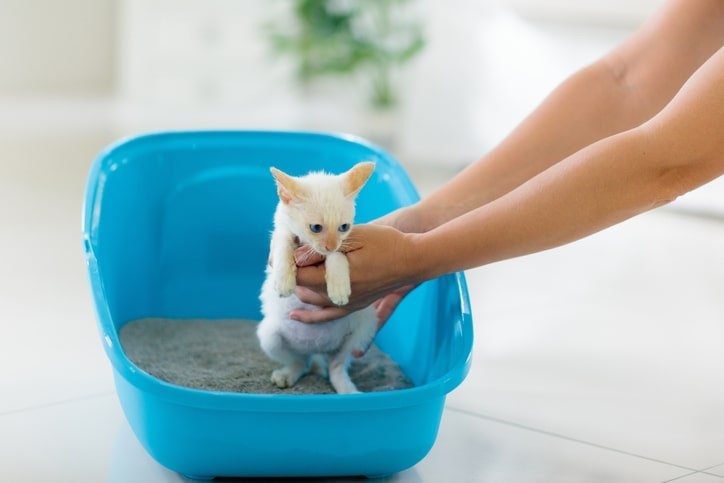
Kedilere tuvalet eğitimi Potty training cats is very important. As soon as a cat is brought home after adoption, potty training should begin immediately. The cat must be taught to use the litter box. If you notice the cat needs to go, it helps to pick it up and place it in the litter box. In the early morning, the cat should be taken to the litter box after eating.

The same routine should be followed before bedtime as well. This helps the cat get used to the process and completes its litter box training. You should continue this routine until the cat gets used to the situation and starts using the litter box on its own. Generally, cats get used to the litter box within a week, and the training is complete. The cat’s age—whether it’s an adult or a kitten—does not matter. Every cat should be litter box trained as soon as it is brought home.

Litter Box Training for Kittens

Although cats can be litter-trained at any age, it is easier to do so with kittens because they are more receptive to learning. When you bring a kitten home, it’s possible to help it develop litter box habits in a short period of time. All you need to do is place the kitten in the litter box, stir the litter, and show it to the kitten. Once the kitten learns to dig in the litter, you can leave it alone to allow it to mark the litter with its own scent.

 This way, the cat will get used to the litter and start using it as a bathroom. Once the cat has gotten used to the litter, it’s important to give it food and water. About half an hour after feeding, you can take it to the litter box to encourage it to use it. If the kitten doesn’t use the litter box, you may need to mix the litter again to show it how. This is how you can train kittens to use the litter box.

What Should You Do If You Notice Your Cat Needs to Use the Litter Box?

If you notice that your cat needs to use the bathroom, you may need to take it to the litter box or cat litter. If your cat has been litter-trained and is used to using the bathroom on its own, you don’t need to do anything. The cat will go to the litter box on its own to use the bathroom. However, if it hasn’t been trained, it’s important to take it to the litter box and help it until it gets used to it.

Once a cat gets used to it, it will go to the litter box every time it needs to relieve itself. Cats generally don’t clean their own litter. Therefore, you need to clean the litter box. It’s important to clean and disinfect the litter box about once a week. This helps create a more comfortable environment for the cat. A larger litter box is also beneficial for cats. This is because when these animals can move around comfortably, they find it easier to use the litter box and adapt to it.

When Should Cat Litter Be Changed?

Cat litter should be changed at regular intervals. This helps cats feel more comfortable. Generally, it is important to change the litter every three weeks. Additionally, clumps of litter and feces should be removed daily. It is best to keep the litter clean. If there is an issue such as an illness or a parasite, the litter should be changed at the intervals recommended by your veterinarian.

What Causes Aggression in Dogs?

Aggression in dogs is a behavioral disorder and may be caused by insufficient serotonin secretion, trauma that can cause anxiety, or any flora disorder or pathological causes in the intestines, where 90% of serotonin and dopamine are secreted.

Continue reading

Why Do Cats Scratch?

In addition to being loyal to their owners, cats are also among the most entertaining animals. By nature, when they play or interpret your movements—which you may not even notice—in the context of their natural behavior and perceive them differently from your intended purpose, they may occasionally exhibit biting and scratching behaviors. In this article, we’ll share with you “Why do cats scratch?” We will provide answers to this question.

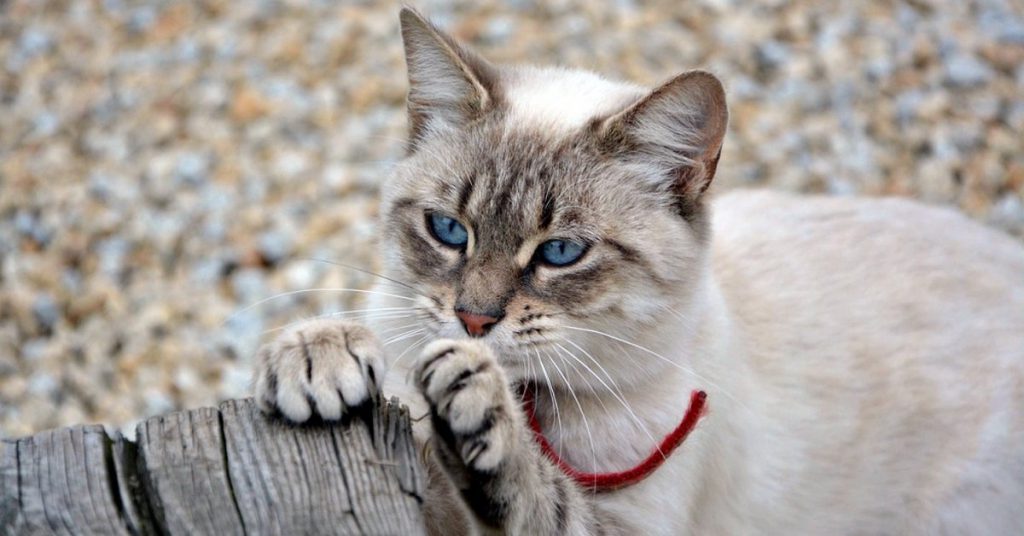
Cats may engage in scratching when they exhibit aggressive behavior. The occurrence of scratching is of great importance for cats’ health. Through scratching, cats gain the benefit of stretching their entire bodies and minimizing tension in their back muscles. Additionally, through scratching, cats increase the energy exerted on the outer layers of their claws. This process exposes the sharp layers located on the undersides of their claws. Cats further develop their scratching instincts when using any toy they have in their paws.

How Can Cats Stop Scratching?

Cats scratch for a variety of reasons from time to time. In this regard, cats may scratch either to instinctively mark their territory or to instinctively sharpen their claws. It is quite difficult to break a cat of its scratching habit. Furthermore, trying to break them of this habit is not a healthy alternative for the cat’s well-being.

Scratching in cats can lead to situations that are unpleasant for owners, particularly when it involves household items. Damage to furniture caused by cats scratching can disrupt the peace of mind of those living in the home. For this reason, certain alternatives—or products specifically designed for cats—can be considered to minimize this behavior and prevent damage to household items.

What Are Some Good Items for Cats to Scratch?

To minimize damage during a cat’s scratching phase, pet stores provide scratching posts specifically designed for this purpose. A scratching post is the ideal choice for providing an alternative for a cat in its scratching phase. When purchasing a scratching board or tree, the cat’s age is of great importance; therefore, a sturdy scratching tree should be chosen for an adult, active cat.

The scratching post should be placed near the area where the cat normally scratches, and the cat should be rewarded with a treat when it chooses the scratching post instead of scratching the usual spot.

Why Do Cats Scratch Their Claws?

Scratching is one of the most natural ways for cats to mark their territory. After scratching, cats perform a very effective stretching motion. They scratch not only objects but also their own claws. This helps keep their claws sharp and pointed. In addition to the physical marks they leave behind, scratching also triggers the release of hormones and pheromones.

How Do We Change the Scratch Area?

First, we clean the area where we don’t want the cat to scratch. During the cleaning process, we can use odor removers or natural soaps. This way, we remove the “territorial markings” that cats leave with their paws on objects.

Kool Kat Home Spray We spray it on the area we’ve cleaned. By sending signals of “happiness” and “security” to the cats, we prevent them from scratching. We continue to use the spray as needed.

Since scratching is natural for cats, we always make sure to get a scratching post. We place the scratching post near the cat’s old scratching spot.


Coprophagia

Coprophagia; literally defined as the act of eating feces, is a behavioral disorder observed in cats and dogs. One of the most common disorders in pets, the habit of eating feces, is rarely seen in cats but frequently observed in dogs. These negative habits observed in cats and dogs often lead to serious animal diseases. This is because certain viruses and bacteria found in feces enter the bodies of cats and dogs, causing significant health issues.

Cats or dogs that have a habit of eating feces typically eat their own feces, but they may also eat the feces of other animals. In such cases, it is essential that the cat or dog receive the necessary treatment.

Dogs that exhibit the habit of eating feces are typically young puppies. Since the feces of puppies that are still nursing contain a certain amount of protein, mother dogs eat their puppies’ feces. Puppies who witness this behavior begin to eat feces because they imitate their mothers. Puppies or kittens usually stop eating feces immediately after weaning. Under normal circumstances, this habit begins this way and ends when the puppies are weaned. However, some cats and dogs continue to eat feces even after they have stopped nursing from their mothers. In such cases, certain nutritional deficiencies or various health issues may arise. Therefore, the habit of eating feces observed in dogs or cats must be addressed immediately.

Causes of Coprophagia

In addition to the reasons mentioned above, there are other factors that can lead to the habit of eating feces in dogs. Therefore, the exact cause of the fecal-eating behavior must first be identified, and appropriate measures should be taken. The main causes of the habit of eating feces in dogs, as outlined at and, are:

  • A tendency to consume non-food substances due to an inability to obtain sufficient minerals from the diet
  • The tendency of pets, particularly those kept in apartments, to eat their own feces in an attempt to eliminate it, stemming from discomfort caused by defecating in their living space due to a lack of sufficient outdoor exercise
  • Keeping the dog chained up all the time
  • Sedentary lifestyle
  • Spending a lot of time in the same environment
  • Digestive problems and intestinal disorders
  • Various scents that dogs enjoy
  • The desire to receive attention from their owners or other animals
  • Excessive and intense stress in animals

All of these are among the primary factors that trigger the habit of eating feces in dogs. Pet owners must find a solution to this problem as soon as possible. This is because dogs and cats that eat feces can develop a wide variety of diseases caused by parasites. Additionally, harmful viruses and parasites that accumulate in the fur and mouth of animals due to this habit can also spread to humans. Consequently, this can lead to unwanted diseases in both humans and animals.

What can be done to prevent our pet from eating its own feces:

  • The cause of the habit of eating feces must be identified. To do this, you should consult a veterinarian.
  • If the cause is related to diet, you should switch to high-quality dry food
  • Vetri Science Canine Plus Multivitamin will provide your dog with the essential vitamins and minerals it needs, helping to prevent coprophagia more effectively
  • In cases of anxiety, spend more time with your cat or dog and take them for longer walks outside
  • With the help of the natural ingredients in Vetri Science Composure it will be easier for you to prevent anxiety-related behaviors in your cat or dog.

Köpeklerde Davranış Bozuklukları

Evcil hayvanlar bakımı ve beslenmesi yönüyle insanlarda olan bazı ortak özellikleri taşır. Bir evcil hayvan sahiplenmeden önce içtiği sudan kullanması gerektiğinde ilacına kadar detaylı düşünmeniz gerektiğini bilmeniz gerekir. Yaşam tarzlarındaki küçük bir değişim doğru yönde ve doğru bir uygulama ile olmazsa hem fiziksel hem psikolojik olarak onlara zarar verebilir. Özellikle köpekler duygusal olarak bağlılıklarıyla bilinen evcil hayvan gruplarından olduğu için onlarda göreceğiniz ruhsal bozukluklar karşılaşabileceğiniz durumlardandır. Bu bozukluklardan en sık görülen davranış bozuklukları hem sizin hem de köpeğinizin yaşam konforunu azaltan bir durum olarak giderek büyüyebilir.

Davranış bozukluğu yaşayan köpekler kimi zaman sahipleri tarafından barınağa bırakılma, tek edilme, ötenazi gibi en negatif durumlarla karşı karşıya getirilir. Bir evin içinde yaşarken bu sorun nedeniyle hayat kalitesi düşen köpekler, terk edilme durumunda dışarıdaki yaşam koşullarına uyum sağlayamaz. Köpeği dolaylı olarak ölüme terk eden bu yöntemler yerine onunla anlaşmak ve profesyonel bir destekle ona yardımcı olmak en iyi seçimdir.

Köpeğinizin problemini anlamak için olası davranış bozukluklarını inceleyebilir, bunlardan birini ya da birkaçını gösteren köpeğinizi uzman bir veteriner hekimine götürebilirsiniz.

  • Dışkı yeme
  • Dışkı ve idrarı tutamama
  • Sürekli havlama
  • Dışarıda geçirdiği zamanda ilgi çekme isteği ve fazla hareketlilik
  • Özellikle arabalara, bisikletlere havlama
  • Depression
  • Tüyleri fazla yalama ve koparma
  • Normal olmayan cinsel davranışlar
  • Kendisinin eşyasını ya da sizin eşyanızı yeme/parçalama
  • Ağzında sürekli bir nesne ile gezmesi
  • Bir alan ya da eşyayı gereğinden fazla sahiplenme
  • Ayrılma korkusu ile siz olmadan vakit geçirememe
  • Uyku ve diyet sorunları
  • Sık sık bir yeri kazma durumu
  • Sık mama isteme

Yukarıdaki problemler bir davranış bozukluğudur ve gerekli terapilerle çözülebilir. Çünkü köpekler 3-5 yaşına kadar oturan kişiliği nedeniyle bu süreçte doğru yetiştirilme şekliyle büyümelidir. Aksi taktirde küçük bir problem büyüyebilir ya da köpeğinizin sizinle olmadan önce yaşadığı bir travma stres bozukluğu olarak ortaya çıkabilir. Bu durum da davranış bozukluğu olarak seyredebilir.

Yavru köpeklerde henüz kişiliği oturmamış olduğundan gelecekteki bu gibi sorunlar henüz sahibi tarafından anlaşılmayabilir. Ancak fark edilen durumlarda yapılması gereken uzman bir kliniğe danışmaktır. Her köpeğin yaşı, cinsi, yaşam alanı, beslenme şekli ve sağlık durumu birbirinden farklı olduğu için farklı tedavilere ihtiyaç duyulur. Bu nedenle veteriner hekiminizin önerisi ile diyet değişimi, itaat eğitimi, klasik koşullanma eğitimi, klinikteki diğer köpeklerle sosyalleşme gibi tedaviler uygulanabilir.

Tedavilerine ek olarak köpeğimiz için destek ürünlerine başvurabiliriz. Çoğu zaman veteriner hekim önerisiyle tek başına bile çözüm sunmaktadır.

Composure huysuzluk, hiperaktivite, anksiyete ve çevre kaynaklı stres sonucu davranışsal bozukluk gösteren kedi ve köpeklerin, kişiliği ve enerji seviyesini değiştirmeden sakinleştirici etki yaratan formüle sahiptir. Herhangi bir uyuşukluk hissi, yan etki oluşturmadan rahatlama ve sakinleşme duygusunu teşvik eder, ruhsal durumu iyileştirir.

SynbioCure duygu durum bozukluklarında denge sağlar. Lincoln Anksiyete Skalası ve Kortizol seviyelerini azaltırken Seratonin seviyesinin yükselmesini sağlar.

YNC Pet Aroma Terapi Serisi özel olarak hazırlanan ve köpekleriniz için uygun doz ve rejimlerde kullanma imkanı sunan yüksek kaliteli yağlar sayesinde kedilerinizde aromaterapi ile sakinlik sağlanarak kaygı ve stresin neden olduğu istenmeyen durumlar önlenebilir. Kedi ve köpekleriniz için  hazırlanmış aromaterapi uçucu yağları ile oluşabilecek depresyon, anksiyete gibi durumların önüne geçilmesinde yardımcıdır. Yatıştırır ve güven duygusu oluşmasına destek sağlar.

KOOL DOG® değişikliklerin veya stresli durumların neden olduğu davranış bozukluklarını önemli ölçüde azaltır ve zamanla bu davranış bozukluklarının önüne geçer. Köpeklerle ilişkili davranış bozukluklarının önemli ölçüde azalmasına hatta kaybolmasına yol açar ve daha iyi etkinlik sağlar. Her iki yatıştırıcı içeriğin de bulunduğu ve çift etkili güçlü bir yatıştırma özelliği olan tek inhaler üründür.

 Hem çevredekiler hem köpek sahibi hem de köpeğin kendisi için davranış bozuklukları büyük bir sorun olmak yerine tedavi edilebilir ve tedavi sonucu kesin çözüm alınabilir vakalardır. Veteriner hekimi seçimi, tedavi ve medikal destek ile köpeğiniz bu sorunları aşabilir, uyumlu hayatına devam edebilir.


Kedi Horlaması Normal Midir?

Kedi horlaması, üst solunum yollarının dokuları uyku sırasında gevşediğinde ortaya çıkan bir durumdur. Kedilerin horlaması normal olabilir fakat bazı durumlarda tıbbi bir soruna da işaret edebilmektedir. Kedi horlamasına neden olan çeşitli faktörler vardır. En yaygın sebeplerden bazılarını bu yazımızda bulabilirsiniz.

Kediler Neden Horlar?

Horlama, kedilerde köpeklere veya insanlara göre daha az yaygın olmakla birlikte, çoğu durumda normal uyku alışkanlığı olarak kabul edilmektedir.

Kediniz ırk nedeniyle horlamaya yatkın olabilir. Persian, Birmanya ve Himalaya gibi kedi ırkları genellikle horlamaya daha yatkındır. Bu kedilerin kafatası kemikleri kısadır ve yüz itilmiş gibi basık bir görünüme sahiptir. Burun bölümünün kısalması nedeniyle genellikle horlama da dahil olmak üzere solunum problemleri geliştirebilirler.

Bazı kediler fazla kilo nedeni ile de horlayabilirler. Üst solunum yollarını çevreleyen dokularda aşırı yağ birikmesi sebebiyle horlamaya daha yatkın hale gelebilirler.

Uyku pozisyonu da kedi horlaması nedenlerinden biridir. Esnek yapıları nedeniyle değişik pozisyonlarda uyuyabilir ve bazen bu pozisyonlar kedinin horlamasına neden olabilir. Eğer yattığı pozisyon nedeniyle bir horlama yaşıyorsa bu horlama sesi kısa olmalı ve kedi pozisyon değiştirdiğinde durmalıdır.

Solunum sorunları nedeniyle oluşan bakteriyel veya mantar enfeksiyonları, astımı da içeren solunum yolu hastalıkları sıklıkla horlamaya neden olabilir. Solunum yolu enfeksiyonunun diğer belirtileri, gözlerden ve burundan akıntı, hapşırma, hareket ve iştah azalmasıdır.

Bunların dışında alerjiler, polipler veya kitleler, iltihaplanma gibi nedenler de horlamaya neden olabilir. Kedilerde horlama, aniden olduğunda, arttığında ve horlamanın yanı sıra hapşırma, iştah ya da davranış değişiklikleri de beraberinde geliyorsa veteriner hekiminize başvurmalısınız.

Eğer kediniz horlarken aynı zamanda nefes nefese kalıyor, hırıltılı soluyor ve nefes almakta zorluk çekiyorsa acil olarak veteriner kliniğine götürülmelidir.

Aktif olarak oyun oynamak, kedi gelişimi için önemli bir parçadır. Yaşam kalitesine de büyük ölçüde katkıda bulunmaktadır. Eğer kedinizde obezite kaynaklı bir horlama olasılığı varsa bunları veteriner hekiminizin kontrolünde gerçekleştireceğiniz bir tedavi süreci ve hekiminizin önerdiği aralıklarda klinik ziyaretleri ile önleyebilirsiniz. Kovalayabileceği oyuncaklar almak kedinizin oynamaya daha fazla ilgi duymasını sağlayacak ve onu hareket etmeye zorlayacaktır.

Köpeklerin Düşünme Yetisi Bulunuyor Mu?

Köpekler yıllardır bizimle yaşayan, yeri geldiğinde en değerli arkadaşlarımızdan dahi daha değerli olan canlılardır. Bazen köpeklerinizin hiç tahmin etmediğiniz davranışlar gösterdiğini görebilirsiniz. Bu durum; köpeklerde düşünmeye yetisinin bulunup bulunmadığı konusunda düşünmenize neden olabiliyor. Yapılan araştırmalara göre köpeklerde gerçekten bir düşünme yetisinin olduğu tespit edilmiştir. Köpekler de aynı bizler gibi düşünüyorlar. Bu sayede insanlarla uzun süre beraber olup onlarla yoldaşlık edebiliyorlar.

İngiltere’de bulunan Sussex Üniversitesi, köpekler üzerine yaptığı araştırmalarda köpeklerin insanların söylemiş olduğu kelimeleri algılayabildikleri tespit edilmiştir. Yani; köpekler söylemiş olduğunuz bazı kelimeleri köpek düşünme gücü ile algılayıp arkasında bulunan duyguları anlayabiliyor. Bu durum sizler için garip gelebilir ancak gerçekten de olabilen bir şeydir. Bu konuda yapılan araştırmalar elbette ortaya bazı kanıtlar da çıkarmışlardır.

Köpeklerin Düşünceye Sahip Olduğunun Kanıtı

Yıllardır bilim insanları laboratuvarlarda köpekler üzerine çeşitli araştırma ve deneylerde bulunuyor. Bu zamana kadar yapılan çalışmalarda köpeklerin kendilerine ait düşünme ve karar verme yetilerine sahip olduğu görülmüştür. Eğer bir evcil hayvanınız varsa bunu sizler de test edebilirsiniz. Örneğin; köpeğinizin yanına giderek ona çok yakın zamanda çok uzaklara gideceğinizi söyleyin. Akabinde onun yanında bir valize eşyalarınızı toplamaya başlayın. Elinizde valiz ile kapıdan çıkın. Bu aşamada köpeğin düşünme yetisi devreye girecek ve peşinizden gitmesi konusunda onu uyaracaktır. Eğer gerçekten de gider, onu yanına almazsanız kalbi kırılıp size karşı olan sadakatinin azalmasına neden olabilirsiniz. Bu durumun bir şaka olduğunu ona göstermeli ve özür dilerek sevimli dostunuzla güzel bir gece geçirmenizi öneririz.

Köpeklerdeki IQ Seviyesi

Evcil hayvan olarak köpek edinmiş olan kişilerin en çok merak ettiği konulardan birisi de köpeklerin zekaya sahip olup olmadığıdır. Bu sorunun yanıtı kesinlikle EVET üzerinedir. Köpeklerin belirli bir zekaya sahip olduğunu, içgüdüleri ile hareket ettiklerini söyleyebiliriz. Köpeklerin neden havladıklarını hiç merak ettiniz mi? Havlama genellikle kendisini tehlikeli hissettiği durumlarda tepki olarak verilen bir eylemdir. İç güdü aracıyla alınan bu eylemin bir sınırı bulunmaktadır. Köpeğiniz sizi özlediğinde, size sinirlendiğinde, size sarılmak istediğinde, mutlu olduğunda, üzüldüğünde vermiş olduğu tepkiler tamamen zekası ile ilgilidir. Köpeklerin oldukça yüksek bir IQ oranına sahip olduğunu ve bizleri çok iyi anladıklarını söyleyebiliriz.

Köpekler üzerine yapılan araştırmalar hala devam ediyor. Yaşatmak İçin var olan veteriner hekimler bu işin en temel yapı taşlarını oluşturmaktadır. Köpeklerde düşünme yetisi olsa da asla bir insan gibi düşünemeyeceklerini bilmeniz ve anlamanız gerekiyor. Binlerce yıldır insanlarla beraber yaşayan köpekler, insanlar gibi gelişmiş düşünme yetisine sahip olmuşlardır. Günümüzden bin yıl sonra ise nasıl bir düşünce yapısına sahip olurlar gerçekten merak konusudur.

Evcil hayvanlarınız ile ilgili herhangi bir sorun yaşamanız durumunda mutlaka veteriner hekiminizden destek ve bilgi almanız gerekmektedir.