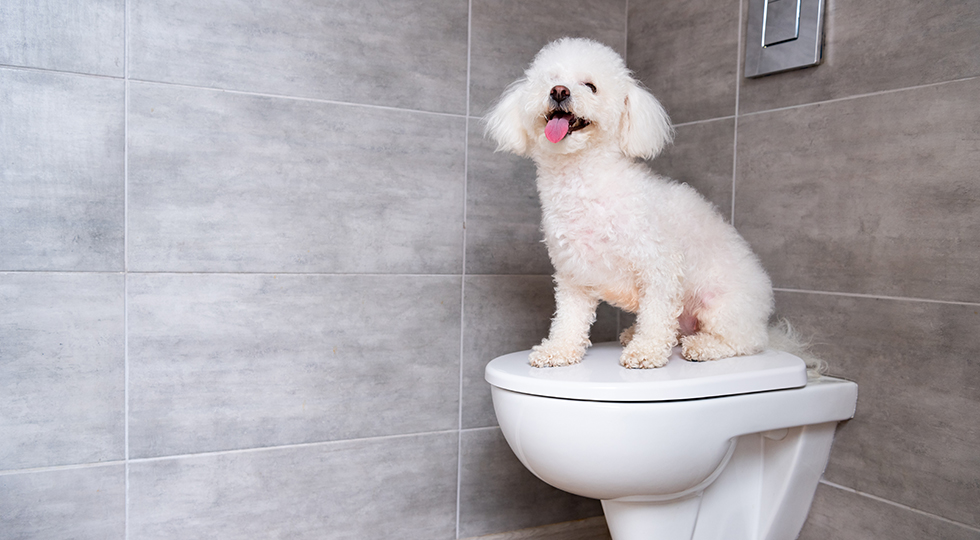
Dogs are man’s best friends, known for their loyalty and affection. While there are many benefits to living with a dog, there are also some drawbacks. The biggest challenge of owning a dog is managing their bathroom needs. Like cats, dogs may not know where to go to the bathroom at first. That’s why they need to be trained.
Potty Training for Dogs
Potty training for dogs, a topic that many people interested in keeping a dog at home often wonder about, köpeklerde tuvalet eğitimian important topic to understand in order to minimize your dog’s potty problems and manage its bathroom needs. The reason a dog relieves itself in the same spot or in an area where it has previously gone to the bathroom is that it has not been properly potty trained. There are key points you need to know to manage your pet’s bathroom needs.
1. The First Rule Is to Be Patient
Training should begin the moment your dog arrives home. Otherwise, your dog may relieve itself anywhere in the house. Potty training isn’t easy because, unlike cats, dogs don’t groom themselves and aren’t particularly fond of cleanliness. As a result, dog owners need to be very patient with all the little accidents. They should spend time with their furry friends and be prepared for potty accidents.
2. Age Matters in Potty Training
Once you’ve decided where your dog should go to the bathroom, the first key factor in potty training is your dog’s age. If your dog is a puppy, training is easier in some ways. Since your dog hasn’t been trained by anyone else yet, it will be easier for them to adjust to your household routine.
However, since puppies aren’t yet used to following commands, they must first learn to listen to you. If your dog lived somewhere else before you adopted it, it will want to continue its old habits. However, adult dogs are better at obeying commands than puppies.

3. Prepare the Area Where the Toilet Will Be Installed
Dog owners tend to convert second bathrooms, unused rooms, or areas like patios and balconies into dog toilets. Show your dog these areas as soon as they arrive home so they can claim them as their own. When your dog first comes home, it will urinate to mark the house as its territory. Once you realize this, take it immediately to the bathroom and do not let it go anywhere else until it urinates.
Afterward, give them a treat and praise them every time they go to the bathroom. Be sure to place newspaper, dog litter, or a dog potty pad in this area of the bathroom and make sure they use these materials. Never prevent your dog from sniffing out the smelly items. Also, do not replace the potty areas with clean items until your dog needs to go to the bathroom a second time. This way, a dog that goes to the bathroom a second time and sniffs its own feces and urine will gradually begin to understand that this is the potty area.
4. Keep Every Area Outside the Restroom Area Clean
Dogs use their unique sense of smell to determine where to relieve themselves. So if your dog is using the bathroom in any part of the house, if you don’t clean that area and eliminate the odor, they will try to use the bathroom in the same spot again. This way, your dog should not detect any unpleasant odors anywhere other than the designated bathroom area.
If they detect odors from rooms like the bathroom or toilet, they may defecate there. Keep the doors to these areas closed and never allow your dog to enter them. The presence of trash in the house is also a trigger for your dog. To address this, it’s helpful to keep trash outside, such as on balconies or in the yard. Since everything outside their designated bathroom area is clean and odor-free, your dog has been trained not to use the bathroom anywhere else in the house.
5. Observe Your Dog Closely
Dogs will want to relieve themselves immediately after eating. Therefore, take them outside to the bathroom right after they’ve eaten and drunk water, and wait for them to go. Reward them for going in the right spot. If they go in the wrong place, correct them with short commands and never punish them. Always supervise your pet during potty training. Dog behaviors stem from habits, and they instinctively respond the same way to similar situations.
Your dog always performs the same actions when going to the bathroom. Therefore, carefully observe how he behaves and what actions he takes when he needs to go. Observe its behavior until it reaches the potty you’ve placed in an easily accessible spot. The moment it repeats the same behavior, immediately take it to the designated potty area. Dogs don’t always poop or pee when they go to the bathroom. Sometimes they go to the bathroom when they’re bored or sick.
To view another article we’ve written on “Litter Box Training for Cats” tıklayınız…