How to Potty Train Your Dog?

Dogs are man’s best friends, known for their loyalty and affection. While there are many benefits to living with a dog, there are also some drawbacks. The biggest challenge of owning a dog is managing their bathroom needs. Like cats, dogs may not know where to go to the bathroom at first. That’s why they need to be trained.

Potty Training for Dogs

Potty training for dogs, a topic that many people interested in keeping a dog at home often wonder about, köpeklerde tuvalet eğitimian important topic to understand in order to minimize your dog’s potty problems and manage its bathroom needs. The reason a dog relieves itself in the same spot or in an area where it has previously gone to the bathroom is that it has not been properly potty trained. There are key points you need to know to manage your pet’s bathroom needs.

1. The First Rule Is to Be Patient

Training should begin the moment your dog arrives home. Otherwise, your dog may relieve itself anywhere in the house. Potty training isn’t easy because, unlike cats, dogs don’t groom themselves and aren’t particularly fond of cleanliness. As a result, dog owners need to be very patient with all the little accidents. They should spend time with their furry friends and be prepared for potty accidents.

2. Age Matters in Potty Training

Once you’ve decided where your dog should go to the bathroom, the first key factor in potty training is your dog’s age. If your dog is a puppy, training is easier in some ways. Since your dog hasn’t been trained by anyone else yet, it will be easier for them to adjust to your household routine.

However, since puppies aren’t yet used to following commands, they must first learn to listen to you. If your dog lived somewhere else before you adopted it, it will want to continue its old habits. However, adult dogs are better at obeying commands than puppies.

3. Prepare the Area Where the Toilet Will Be Installed

Dog owners tend to convert second bathrooms, unused rooms, or areas like patios and balconies into dog toilets. Show your dog these areas as soon as they arrive home so they can claim them as their own. When your dog first comes home, it will urinate to mark the house as its territory. Once you realize this, take it immediately to the bathroom and do not let it go anywhere else until it urinates.

Afterward, give them a treat and praise them every time they go to the bathroom. Be sure to place newspaper, dog litter, or a dog potty pad in this area of the bathroom and make sure they use these materials. Never prevent your dog from sniffing out the smelly items. Also, do not replace the potty areas with clean items until your dog needs to go to the bathroom a second time. This way, a dog that goes to the bathroom a second time and sniffs its own feces and urine will gradually begin to understand that this is the potty area.

4. Keep Every Area Outside the Restroom Area Clean

Dogs use their unique sense of smell to determine where to relieve themselves. So if your dog is using the bathroom in any part of the house, if you don’t clean that area and eliminate the odor, they will try to use the bathroom in the same spot again. This way, your dog should not detect any unpleasant odors anywhere other than the designated bathroom area.

If they detect odors from rooms like the bathroom or toilet, they may defecate there. Keep the doors to these areas closed and never allow your dog to enter them. The presence of trash in the house is also a trigger for your dog. To address this, it’s helpful to keep trash outside, such as on balconies or in the yard. Since everything outside their designated bathroom area is clean and odor-free, your dog has been trained not to use the bathroom anywhere else in the house.

5. Observe Your Dog Closely

Dogs will want to relieve themselves immediately after eating. Therefore, take them outside to the bathroom right after they’ve eaten and drunk water, and wait for them to go. Reward them for going in the right spot. If they go in the wrong place, correct them with short commands and never punish them. Always supervise your pet during potty training. Dog behaviors stem from habits, and they instinctively respond the same way to similar situations.

Your dog always performs the same actions when going to the bathroom. Therefore, carefully observe how he behaves and what actions he takes when he needs to go. Observe its behavior until it reaches the potty you’ve placed in an easily accessible spot. The moment it repeats the same behavior, immediately take it to the designated potty area. Dogs don’t always poop or pee when they go to the bathroom. Sometimes they go to the bathroom when they’re bored or sick.

To view another article we’ve written on “Litter Box Training for Cats” tıklayınız…

Water Consumption in Dogs and Cats

Water is essential for all living things. Water intake in dogs and cats; The question of how much water dogs and cats should consume is frequently asked. Drinking enough water is vital for the health of both dogs and cats. Their bodies are 70% water. Water is essential for every chemical process that occurs in the body. As with all living things, water is the most important nutrient for dogs and cats.

Water, which humidifies the air in the lungs and transports oxygen and nutrients from the bloodstream to the cells, also helps regulate body temperature. While aiding in the elimination of waste products from the body, it also supports nervous system function.

Cats and dogs meet their daily water needs in various ways. The most common method is drinking water. However, for those who eat wet food, water intake may be slightly lower. This is because wet food has a higher moisture content than dry food.

How can you tell how much water your pet drinks? In the morning, measure the amount of water you put in your pet’s water bowl. Let the water remain available all day, and if your pet empties the bowl, refill it (but measure how much water you add). At the end of the day, measure the amount left in the bowl. Do this for a few days or a week to determine your pet’s average water intake. This way, you’ll be able to track how much water they drink on average per week or per day. If you have multiple pets and need to measure one’s water intake, you can separate their water bowl from the others.

How Much Water Should Dogs Drink?

A dog’s water needs vary depending on its body weight and, consequently, its breed. Generally, a dog engaging in moderate exercise in a normal temperature and humidity environment should drink approximately 1–2 liters of water per day. Since domestic dogs are typically fed dry food on a regular basis, their need for fresh, cool water is particularly high.

However, frequent urination and excessive water intake can also be signs of an underlying medical condition in a dog. In particular, hormonal disorders such as diabetes, kidney disease, liver disease, fever, and infections can cause a dog to drink excessive amounts of water. Certain medications can also increase thirst. If you notice that your dog is drinking more water than usual, you may need to schedule an appointment with a veterinarian right away.

How Much Water Should Cats Drink?

Under normal circumstances, cats consume about 4 to 5 times as much water as the amount of dry food they eat in a day. In other words, a cat that eats an average of 50 grams of dry food per day should consume at least 200–250 ml of water. Just as with dogs, if you notice that your cat is drinking water frequently and urinating very often, you may need to visit a veterinarian.

A dog or cat that hasn’t drunk enough water may appear lethargic, have dull-looking eyes, sticky saliva, and darker gums. If their kidneys are functioning properly, a dehydrated dog or cat will have urine that smells bad and is dark yellow in color. However, if your cat or dog has kidney disease, their urine may remain light in color even if they are dehydrated.

Cats, in particular, sometimes don’t drink enough water. There are a few things you can try to encourage them. For example, you can move the water bowl to a different spot or use a water fountain. For dogs, you can use a reward system. You can reward your dog with words like “good boy” or “good girl” after they drink their water.

Correct Diagnosis and Treatment Methods for Urinary Tract Infections

Urinary tract infections in cats and dogs can occur for no apparent reason. There can be various causes of urinary tract infections. This is where an accurate diagnosis comes into play. It is essential to determine the underlying cause of the urinary tract infection in cats and dogs. With an accurate diagnosis, the underlying condition can be treated.

Your pets’ eating habits and low water intake can also lead to urinary tract infections. Pets need to drink plenty of water to properly digest their food. If cats and dogs are not cared for under appropriate conditions by their owners and are not comfortable, urinary tract infections may develop.

Urinary tract infections cause discomfort for your cats and dogs. In such cases, they may become more aggressive or lead to other health issues. For this reason, the underlying cause of a urinary tract infection is identified first. A treatment plan is then developed based on the underlying cause. An accurate diagnosis of urinary tract infections also prevents other health issues from arising. As a result, your pet’s comfort is significantly improved.

What Are the Symptoms of Urinary Tract Infections in Animals?

The first sign of a urinary tract infection in a cat or dog is a change in the animal’s posture while urinating. Pet owners should observe their pets’ behavior. If any symptoms are noticed, it is important to consult a veterinarian immediately for an early diagnosis.

The symptoms of urinary tract infections in animals are as follows:

  •  One of the most noticeable symptoms is a change in the animal’s posture while urinating.
  • Difficulty urinating is also common in urinary tract infections.
  • Your pet may whine or cry out in pain due to a urinary tract infection.
  • When cats urinate in the litter, they scratch the litter, and after getting into position, they cover the litter before urinating. This behavior is one of the signs of a urinary tract infection in cats.
  • In cats and dogs that usually urinate indoors, urinating outside their usual spot may be a sign of a urinary tract infection.

Köpekler ve kediler idrarını yapamadığı için iştahsızlık görülür. Ayrıca karın bölgesinde belirgin bir şişkinlik ortaya çıkar. Kedi ve köpeklerinizde idrar yolu enfeksiyonuna yönelik bir belirti fark ediyorsanız erken teşhis için yemek düzeni, tuvalet davranışı ve karın bölgesini düzenli olarak kontrol etmelisiniz.

How Are Urinary Tract Infections Treated in Animals?

If you notice any signs of a urinary tract infection in your pet, you should take it to a qualified veterinarian immediately. The first step in treating the condition is to identify the underlying cause of the infection.

Urinary tract infections in animals can be caused by viruses or bacteria. In such cases, a veterinary specialist is consulted. Generally, antibiotic treatment is administered for urinary tract infections. Antibiotics must always be administered to animals based on a prescription.

If you give your pets antibiotics without a veterinarian’s prescription, various problems may arise. In cats or dogs given antibiotics prescribed by a veterinarian, a urinary tract infection will clear up very quickly.

A urinary tract infection in animals may have spread as far as the kidneys. In this case, the veterinarian will perform a checkup. Treatment will then be initiated. In cases of mild urinary tract infections, the animal’s water intake should be increased during treatment. Water will support the treatment thanks to its cleansing properties.

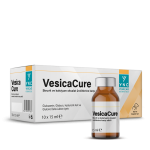
YNC URINARY CURE It is a potent phytotherapeutic agent that promises to provide an effective alternative treatment for urinary tract disorders. 

 The goal is to resolve the existing issue by promoting the regeneration of the bladder. The ingredients in the product provide a pain-relieving effect, aiming to help your cat or dog feel more comfortable.

Our Related Products