Many people wonder how to tell when a cat needs to use the litter box. Cat owners or those considering adopting a cat may want to learn how to do this. To determine whether a cat needs to use the litter box, you need to observe them. If a cat has previously used a particular spot, it will pick up the scent there.
When a cat needs to use the litter box, it will want to go in the same spot because it recognizes the scent there. Cats may also try to find a suitable corner when they need to use the litter box. In such situations, it’s possible to tell that a cat needs to use the litter box. Unfortunately, it’s not usually possible to tell whether a cat needs to use the litter box based on its behavior alone.
Litter Box Training for Cats
Kedilere tuvalet eğitimi Potty training cats is very important. As soon as a cat is brought home after adoption, potty training should begin immediately. The cat must be taught to use the litter box. If you notice the cat needs to go, it helps to pick it up and place it in the litter box. In the early morning, the cat should be taken to the litter box after eating.
The same routine should be followed before bedtime as well. This helps the cat get used to the process and completes its litter box training. You should continue this routine until the cat gets used to the situation and starts using the litter box on its own. Generally, cats get used to the litter box within a week, and the training is complete. The cat’s age—whether it’s an adult or a kitten—does not matter. Every cat should be litter box trained as soon as it is brought home.
Litter Box Training for Kittens

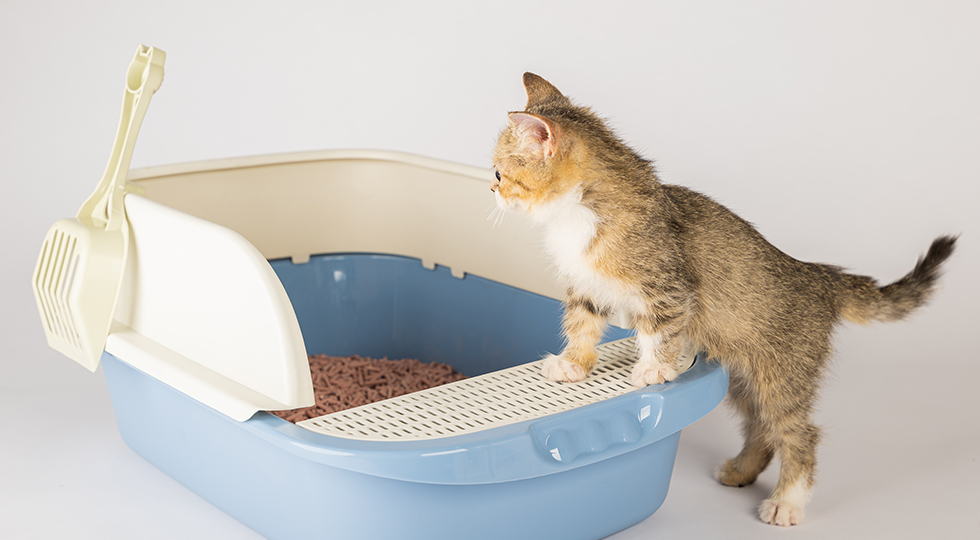
Although cats can be litter-trained at any age, it is easier to do so with kittens because they are more receptive to learning. When you bring a kitten home, it’s possible to help it develop litter box habits in a short period of time. All you need to do is place the kitten in the litter box, stir the litter, and show it to the kitten. Once the kitten learns to dig in the litter, you can leave it alone to allow it to mark the litter with its own scent.
This way, the cat will get used to the litter and start using it as a bathroom. Once the cat has gotten used to the litter, it’s important to give it food and water. About half an hour after feeding, you can take it to the litter box to encourage it to use it. If the kitten doesn’t use the litter box, you may need to mix the litter again to show it how. This is how you can train kittens to use the litter box.
What Should You Do If You Notice Your Cat Needs to Use the Litter Box?
If you notice that your cat needs to use the bathroom, you may need to take it to the litter box or cat litter. If your cat has been litter-trained and is used to using the bathroom on its own, you don’t need to do anything. The cat will go to the litter box on its own to use the bathroom. However, if it hasn’t been trained, it’s important to take it to the litter box and help it until it gets used to it.
Once a cat gets used to it, it will go to the litter box every time it needs to relieve itself. Cats generally don’t clean their own litter. Therefore, you need to clean the litter box. It’s important to clean and disinfect the litter box about once a week. This helps create a more comfortable environment for the cat. A larger litter box is also beneficial for cats. This is because when these animals can move around comfortably, they find it easier to use the litter box and adapt to it.
When Should Cat Litter Be Changed?
Cat litter should be changed at regular intervals. This helps cats feel more comfortable. Generally, it is important to change the litter every three weeks. Additionally, clumps of litter and feces should be removed daily. It is best to keep the litter clean. If there is an issue such as an illness or a parasite, the litter should be changed at the intervals recommended by your veterinarian.