Understanding Your Cat’s Behavior: Mood, Disorders, and Solutions

kedilerde-davranis-bozukluklari

Although cats are often described as “unsociable” and “aloof,” this does not fully capture who they really are.

Sometimes they choose to be alone, but they can also be loving, playful, and sociable.

Just like humans, cats also experience emotional and physical changes. While some of these changes are natural, others may manifest as behavioral issues.

Here are the most common cat behavioral problems, their causes, and solutions:

asosyal-kedi

1-Aggression

Aggression in cats is often the result of externalized stress, fear, or a desire for control. This behavior can disrupt the cat’s harmony with its environment and may also pose a threat to the owner’s safety and the peace of the household. Reactions such as sudden scratching, biting, or attacking other cats may be signs of the cat’s efforts to defend itself or protect its territory.

saldirgan-kedi

Possible Causes:

  • The desire to assert dominance 
  • Hunting instinct
  • Pain or injury
  • Excess energy (hyperactivity)
  • Unknown causes

Symptoms:

  • Attacking other cats
  • Goosebumps
  • Urine marking
  • Claiming objects and scratching
  • Freezing up or hiding out of fear

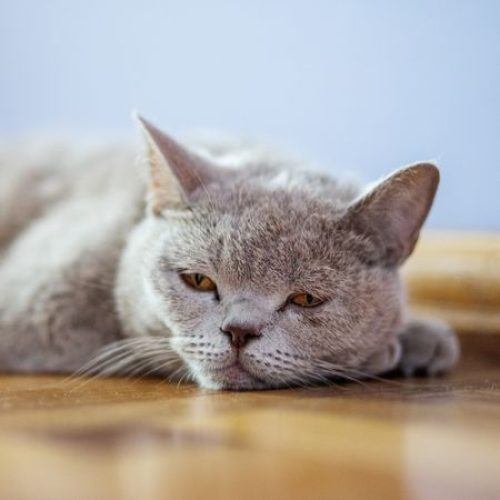
2-Depression

Yes, cats can also experience depression. Environmental changes, separation from a loved one, lack of attention, or health issues can trigger this condition in cats. Cats experiencing depression typically become more withdrawn and lose interest in play and interaction. This condition negatively affects both their overall health and their bond with their owners. By recognizing the signs early, you can provide support to your cat sooner and help them regain their former cheerfulness.
kedilerde-depresyon

Possible Causes:

  • Environmental changes (moving, a new pet, disruption to the home routine)
  • Parting from a loved one or being alone
  • Lack of interest and play
  • Chronic health issues
  • The aging process or hormonal changes

Symptoms:

  • Loss of appetite
  • Excessive shedding
  • Reluctance to play and interact
  • A tendency to avoid crowds and seek seclusion
  • Don’t be easily scared or startled

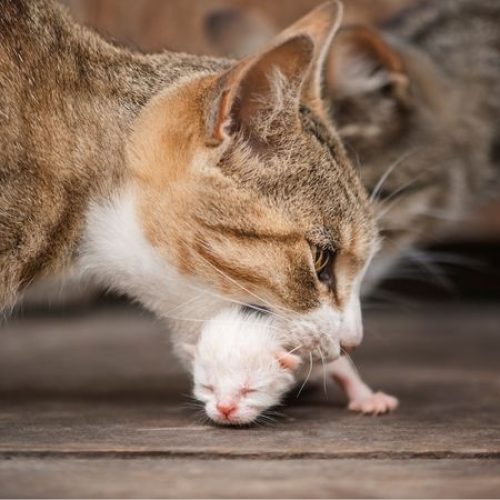
3-Maternal Disorder

When a mother cat rejects her kitten, fails to nurse it, or does not build a nest for it, this is referred to as “maternal dysfunction.” This condition poses serious risks to both the mother cat’s health and the kittens’ survival. If it is not detected early and addressed properly, the kittens’ development may be negatively affected.
kedilerde-maternal-bozukluk

Possible Causes:

  • Complications during childbirth
  • The mother being in a stressful or insecure environment
  • Hormonal imbalances
  • The mother's health issues (infection, pain, etc.)
  • Lack of experience or first-time childbirth

Symptoms:

  • Refusal to nurse the young
  • Abandoning the nest or neglecting the chicks
  • Aggressive behavior toward the young
  • Constant restlessness or hiding
  • Failure to transport or protect the young

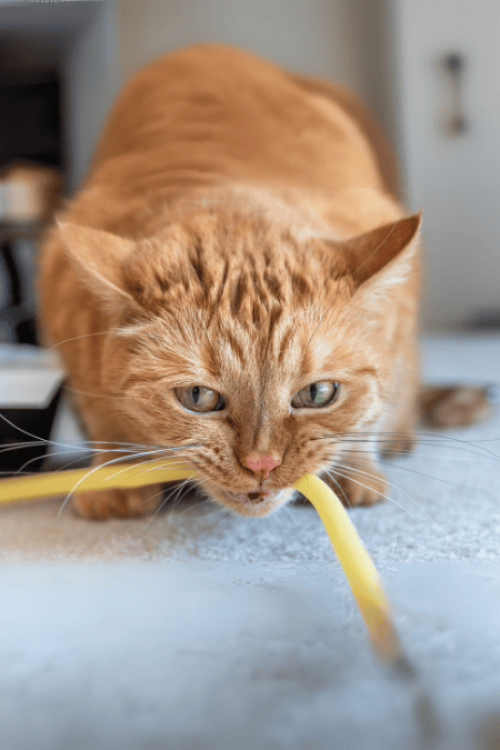
4-Pica Syndrome

Pica syndrome in cats is defined as the behavior of eating non-nutritive substances. This condition is commonly observed in cats that exhibit a tendency to chew or swallow objects such as plastic, fabric, string, or paper. Pica syndrome is typically caused by stress, boredom, malnutrition, or a desire for attention. Since it can lead to digestive blockages in the long term, it requires careful monitoring. If detected early, this behavior can be managed through environmental adjustments, increased play and attention, and proper nutrition.
kedilerde-pika-sendromu

Possible Causes:

  • Digestive system problems
  • Liver diseases
  • Vitamin and mineral deficiencies
  • The mother's health issues (infection, pain, etc.)
  • Behavioral issues (stress, anxiety, desire for attention)

Symptoms:

  • Chewing or swallowing objects such as plastic, fabric, string, or paper
  • Showing interest in foreign objects other than regular food
  • Constant gnawing or biting marks on objects
  • Vomiting or digestive problems caused by swallowed objects
  • A constant restlessness and a tendency to cause trouble

5-Behavioral Problems Related to Anger

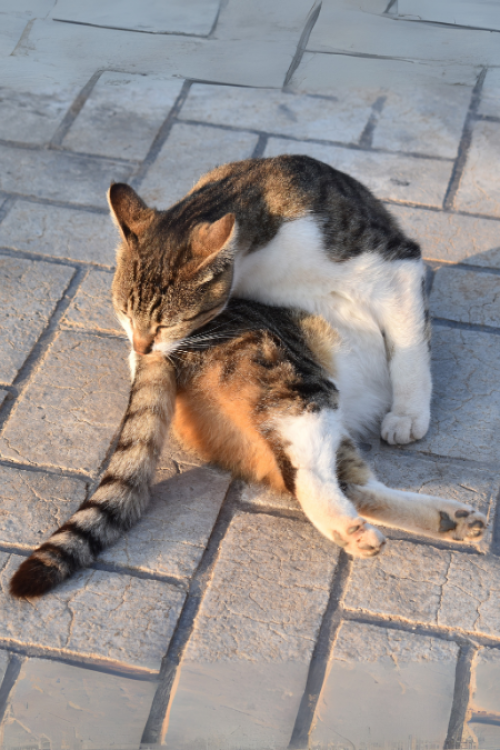
A cat’s heat cycle can lead to various behavioral issues due to hormonal changes. During this period, cats may meow more than usual, act restless, mark their territory, or show excessive attention toward their owner. While this is a natural process for the cat, it can make life difficult for both the cat and its owner.
kizginliga-bagli-davranis-problemleri

Possible Causes:

  • Hormonal changes
  • Mating instinct
  • Lack of sufficient physical and mental stimulation
  • Stress or anxiety

Symptoms:

  • Meowing more than usual and at a high pitch
  • Constantly waiting in front of a door or window
  • Increased friction and rolling behavior

  • Marking objects or specific areas with urine

  • Showing excessive attention toward the owner or restlessness

6-Stress

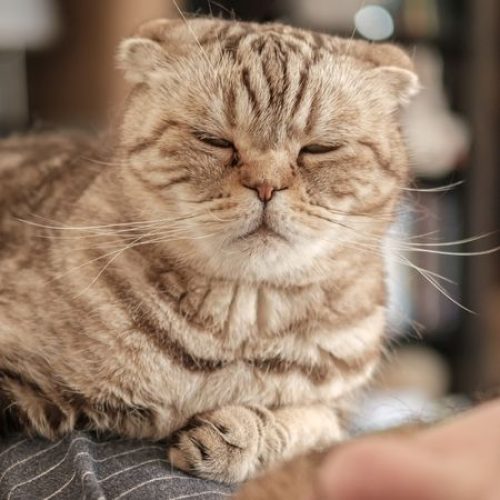
Stress in cats can stem from many different causes, such as environmental changes, loneliness, lack of attention, or health issues. A stressed cat may often appear restless, withdrawn, or exhibit unusual behavior. Prolonged stress can weaken the immune system and have negative effects on both mental and physical health. Therefore, it is crucial to recognize changes in your cat’s behavior early on and take steps to help them relax.
kedilerde-stres

Possible Causes:

  • To part with one's owner
  • Moving
  • Interest from foreigners
  • Young children's excessive affection
  • Restrictions on access to the restroom

Symptoms:

  • Sleep disorder
  • Loss of appetite
  • Aggressive or shy behavior

What Can You Do for Your Cat?

If you notice a sudden change in your cat’s behavior, observe them closely. If the problem persists, be sure to consult a veterinarian. Early diagnosis is crucial for both your cat’s health and your peace of mind. Remember: Your cat isn’t just meowing—it’s also sending you messages through its behavior. Understanding it is key to ensuring it leads a happy and healthy life.


Below you will find products that can help support
your cat's needs regarding the behavioral problems we mentioned in this article.

Coprophagia

Coprophagia; literally defined as the act of eating feces, is a behavioral disorder observed in cats and dogs. One of the most common disorders in pets, the habit of eating feces, is rarely seen in cats but frequently observed in dogs. These negative habits observed in cats and dogs often lead to serious animal diseases. This is because certain viruses and bacteria found in feces enter the bodies of cats and dogs, causing significant health issues.

Cats or dogs that have a habit of eating feces typically eat their own feces, but they may also eat the feces of other animals. In such cases, it is essential that the cat or dog receive the necessary treatment.

Dogs that exhibit the habit of eating feces are typically young puppies. Since the feces of puppies that are still nursing contain a certain amount of protein, mother dogs eat their puppies’ feces. Puppies who witness this behavior begin to eat feces because they imitate their mothers. Puppies or kittens usually stop eating feces immediately after weaning. Under normal circumstances, this habit begins this way and ends when the puppies are weaned. However, some cats and dogs continue to eat feces even after they have stopped nursing from their mothers. In such cases, certain nutritional deficiencies or various health issues may arise. Therefore, the habit of eating feces observed in dogs or cats must be addressed immediately.

Causes of Coprophagia

In addition to the reasons mentioned above, there are other factors that can lead to the habit of eating feces in dogs. Therefore, the exact cause of the fecal-eating behavior must first be identified, and appropriate measures should be taken. The main causes of the habit of eating feces in dogs, as outlined at and, are:

  • A tendency to consume non-food substances due to an inability to obtain sufficient minerals from the diet
  • The tendency of pets, particularly those kept in apartments, to eat their own feces in an attempt to eliminate it, stemming from discomfort caused by defecating in their living space due to a lack of sufficient outdoor exercise
  • Keeping the dog chained up all the time
  • Sedentary lifestyle
  • Spending a lot of time in the same environment
  • Digestive problems and intestinal disorders
  • Various scents that dogs enjoy
  • The desire to receive attention from their owners or other animals
  • Excessive and intense stress in animals

All of these are among the primary factors that trigger the habit of eating feces in dogs. Pet owners must find a solution to this problem as soon as possible. This is because dogs and cats that eat feces can develop a wide variety of diseases caused by parasites. Additionally, harmful viruses and parasites that accumulate in the fur and mouth of animals due to this habit can also spread to humans. Consequently, this can lead to unwanted diseases in both humans and animals.

What can be done to prevent our pet from eating its own feces:

  • The cause of the habit of eating feces must be identified. To do this, you should consult a veterinarian.
  • If the cause is related to diet, you should switch to high-quality dry food
  • Vetri Science Canine Plus Multivitamin will provide your dog with the essential vitamins and minerals it needs, helping to prevent coprophagia more effectively
  • In cases of anxiety, spend more time with your cat or dog and take them for longer walks outside
  • With the help of the natural ingredients in Vetri Science Composure it will be easier for you to prevent anxiety-related behaviors in your cat or dog.

Behavioral Disorders in Dogs

Pets share some common characteristics with humans when it comes to care and nutrition. Before adopting a pet, you must understand that you need to consider every detail, from the water they drink to the medication they may need. Even a small change in their lifestyle can harm them both physically and psychologically if not implemented correctly and in the right way. Since dogs are known for their emotional attachment, behavioral disorders are among the issues you may encounter with them. Among these disorders, the most common behavioral disorders can gradually become a situation that reduces the quality of life for both you and your dog.

Dogs with behavioral issues are sometimes subjected to the most negative outcomes by their owners, such as being surrendered to a shelter, abandoned, or euthanized. Dogs whose quality of life declines due to this issue while living in a home cannot adapt to outdoor living conditions if abandoned. Instead of these methods, which effectively abandon the dog to a life of suffering, the best choice is to work with the dog and provide professional support to help them.

To understand your dog’s issue, you can look into possible behavioral problems and take your dog to a specialist veterinarian if it exhibits one or more of these symptoms.

  • Coprophagia
  • Incontinence of stool and urine
  • Constant barking
  • A desire to attract attention and excessive restlessness while out and about
  • Barking, especially at cars and bicycles
  • Depression
  • Excessive licking and pulling of fur
  • Abnormal sexual behaviors
  • Eating or destroying their own belongings or yours
  • He’s always walking around with something in his mouth
  • Excessive attachment to a place or object
  • The fear of separation and not being able to spend time without you
  • Sleep and dietary issues
  • The frequent need to dig in a certain spot
  • Frequent requests for food

The issues mentioned above are behavioral problems and can be resolved with appropriate therapy. Since dogs develop their personalities by the time they are 3 to 5 years old, they must be raised properly during this period. Otherwise, a minor issue may escalate, or a trauma your dog experienced before coming to live with you may manifest as a stress-related disorder. This situation can also develop into a behavioral problem.

Since a puppy’s personality has not yet fully developed, the owner may not yet recognize such future issues. However, if any signs are noticed, the first step should be to consult a specialized veterinary clinic. Since every dog’s age, breed, living environment, diet, and health condition are unique, different treatments may be required. Therefore, based on your veterinarian’s recommendation, treatments such as dietary changes, obedience training, classical conditioning, and socialization with other dogs at the clinic may be implemented.

In addition to their medical treatment, we can use supplementary products for our dog. Often, these products alone—when recommended by a veterinarian—can provide a solution.

Composure is formulated to have a calming effect on cats and dogs exhibiting behavioral disorders resulting from irritability, hyperactivity, anxiety, and environmental stress, without altering their personality or energy levels. It promotes a sense of relaxation and calm without causing drowsiness or side effects, and improves overall well-being.

SynbioCure duygu durum bozukluklarında denge sağlar. Lincoln Anksiyete Skalası ve Kortizol seviyelerini azaltırken Seratonin seviyesinin yükselmesini sağlar.

YNC Pet Aromatherapy Series Thanks to high-quality oils specially formulated to be used in appropriate doses and regimens for your dogs, aromatherapy can help calm your cats and prevent unwanted behaviors caused by anxiety and stress. The aromatherapy essential oils formulated for your cats and dogs help prevent conditions such as depression and anxiety. They soothe and help foster a sense of security.

KOOL DOG® significantly reduces behavioral issues caused by changes or stressful situations and, over time, prevents these behavioral issues from occurring. It leads to a significant reduction in—or even the disappearance of—behavioral issues associated with dogs and improves overall well-being. It is the only inhaler product containing both calming ingredients and featuring a dual-action, powerful calming effect.

 Behavioral issues are not a major problem for those around the dog, the owner, or the dog itself; rather, they are treatable conditions that can be resolved with proper treatment. With the right choice of veterinarian, along with treatment and medical support, your dog can overcome these issues and continue to lead a harmonious life.