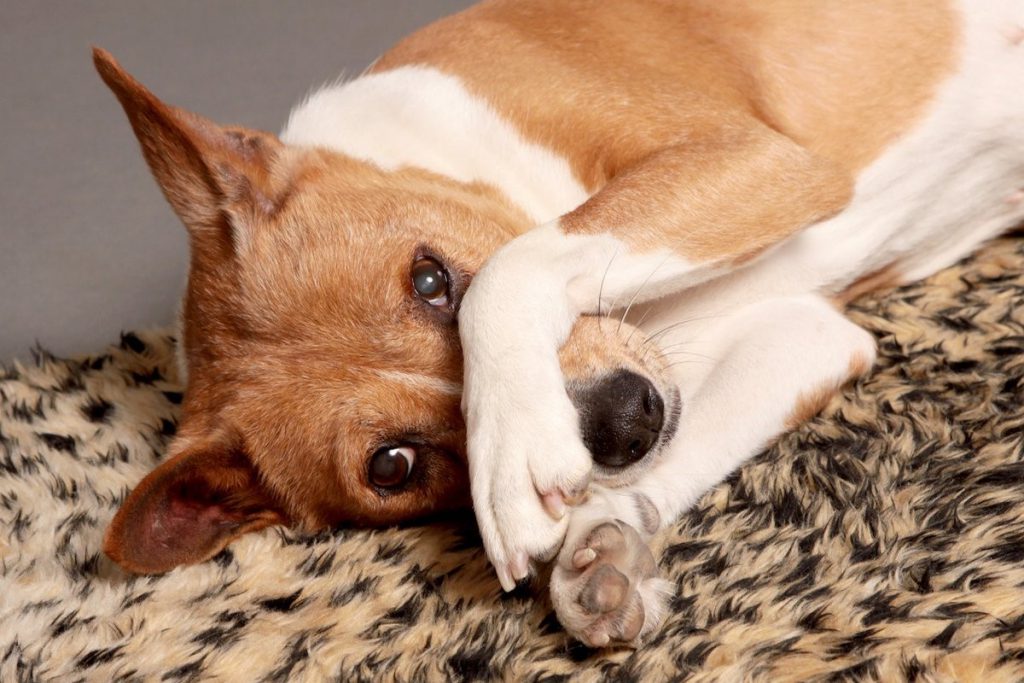
How to Potty Train Your Dog?

Dogs are man’s best friends, known for their loyalty and affection. While there are many benefits to living with a dog, there are also some drawbacks. The biggest challenge of owning a dog is managing their bathroom needs. Like cats, dogs may not know where to go to the bathroom at first. That’s why they need to be trained.

Potty Training for Dogs

Potty training for dogs, a topic that many people interested in keeping a dog at home often wonder about, köpeklerde tuvalet eğitimian important topic to understand in order to minimize your dog’s potty problems and manage its bathroom needs. The reason a dog relieves itself in the same spot or in an area where it has previously gone to the bathroom is that it has not been properly potty trained. There are key points you need to know to manage your pet’s bathroom needs.

1. The First Rule Is to Be Patient

Training should begin the moment your dog arrives home. Otherwise, your dog may relieve itself anywhere in the house. Potty training isn’t easy because, unlike cats, dogs don’t groom themselves and aren’t particularly fond of cleanliness. As a result, dog owners need to be very patient with all the little accidents. They should spend time with their furry friends and be prepared for potty accidents.

2. Age Matters in Potty Training

Once you’ve decided where your dog should go to the bathroom, the first key factor in potty training is your dog’s age. If your dog is a puppy, training is easier in some ways. Since your dog hasn’t been trained by anyone else yet, it will be easier for them to adjust to your household routine.

However, since puppies aren’t yet used to following commands, they must first learn to listen to you. If your dog lived somewhere else before you adopted it, it will want to continue its old habits. However, adult dogs are better at obeying commands than puppies.

3. Prepare the Area Where the Toilet Will Be Installed

Dog owners tend to convert second bathrooms, unused rooms, or areas like patios and balconies into dog toilets. Show your dog these areas as soon as they arrive home so they can claim them as their own. When your dog first comes home, it will urinate to mark the house as its territory. Once you realize this, take it immediately to the bathroom and do not let it go anywhere else until it urinates.

Afterward, give them a treat and praise them every time they go to the bathroom. Be sure to place newspaper, dog litter, or a dog potty pad in this area of the bathroom and make sure they use these materials. Never prevent your dog from sniffing out the smelly items. Also, do not replace the potty areas with clean items until your dog needs to go to the bathroom a second time. This way, a dog that goes to the bathroom a second time and sniffs its own feces and urine will gradually begin to understand that this is the potty area.

4. Keep Every Area Outside the Restroom Area Clean

Dogs use their unique sense of smell to determine where to relieve themselves. So if your dog is using the bathroom in any part of the house, if you don’t clean that area and eliminate the odor, they will try to use the bathroom in the same spot again. This way, your dog should not detect any unpleasant odors anywhere other than the designated bathroom area.

If they detect odors from rooms like the bathroom or toilet, they may defecate there. Keep the doors to these areas closed and never allow your dog to enter them. The presence of trash in the house is also a trigger for your dog. To address this, it’s helpful to keep trash outside, such as on balconies or in the yard. Since everything outside their designated bathroom area is clean and odor-free, your dog has been trained not to use the bathroom anywhere else in the house.

5. Observe Your Dog Closely

Dogs will want to relieve themselves immediately after eating. Therefore, take them outside to the bathroom right after they’ve eaten and drunk water, and wait for them to go. Reward them for going in the right spot. If they go in the wrong place, correct them with short commands and never punish them. Always supervise your pet during potty training. Dog behaviors stem from habits, and they instinctively respond the same way to similar situations.

Your dog always performs the same actions when going to the bathroom. Therefore, carefully observe how he behaves and what actions he takes when he needs to go. Observe its behavior until it reaches the potty you’ve placed in an easily accessible spot. The moment it repeats the same behavior, immediately take it to the designated potty area. Dogs don’t always poop or pee when they go to the bathroom. Sometimes they go to the bathroom when they’re bored or sick.

To view another article we’ve written on “Litter Box Training for Cats” tıklayınız…

How Can You Tell When Your Cat Needs to Use the Litter Box?

Many people wonder how to tell when a cat needs to use the litter box. Cat owners or those considering adopting a cat may want to learn how to do this. To determine whether a cat needs to use the litter box, you need to observe them. If a cat has previously used a particular spot, it will pick up the scent there.

When a cat needs to use the litter box, it will want to go in the same spot because it recognizes the scent there. Cats may also try to find a suitable corner when they need to use the litter box. In such situations, it’s possible to tell that a cat needs to use the litter box. Unfortunately, it’s not usually possible to tell whether a cat needs to use the litter box based on its behavior alone.

Litter Box Training for Cats

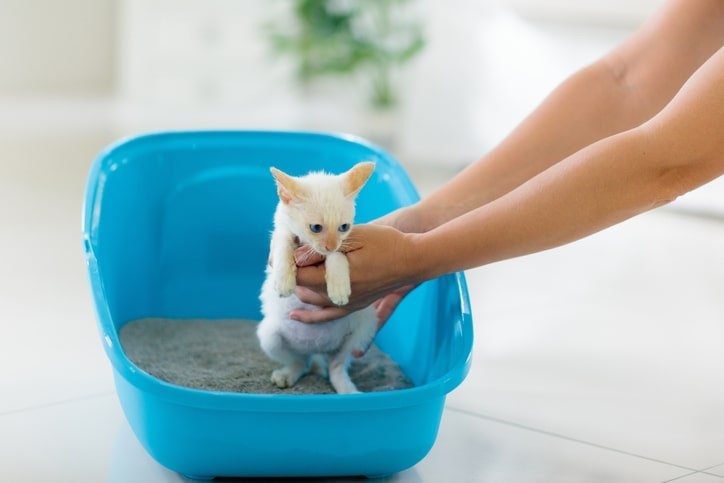
Kedilere tuvalet eğitimi Potty training cats is very important. As soon as a cat is brought home after adoption, potty training should begin immediately. The cat must be taught to use the litter box. If you notice the cat needs to go, it helps to pick it up and place it in the litter box. In the early morning, the cat should be taken to the litter box after eating.

The same routine should be followed before bedtime as well. This helps the cat get used to the process and completes its litter box training. You should continue this routine until the cat gets used to the situation and starts using the litter box on its own. Generally, cats get used to the litter box within a week, and the training is complete. The cat’s age—whether it’s an adult or a kitten—does not matter. Every cat should be litter box trained as soon as it is brought home.

Litter Box Training for Kittens

Although cats can be litter-trained at any age, it is easier to do so with kittens because they are more receptive to learning. When you bring a kitten home, it’s possible to help it develop litter box habits in a short period of time. All you need to do is place the kitten in the litter box, stir the litter, and show it to the kitten. Once the kitten learns to dig in the litter, you can leave it alone to allow it to mark the litter with its own scent.

 This way, the cat will get used to the litter and start using it as a bathroom. Once the cat has gotten used to the litter, it’s important to give it food and water. About half an hour after feeding, you can take it to the litter box to encourage it to use it. If the kitten doesn’t use the litter box, you may need to mix the litter again to show it how. This is how you can train kittens to use the litter box.

What Should You Do If You Notice Your Cat Needs to Use the Litter Box?

If you notice that your cat needs to use the bathroom, you may need to take it to the litter box or cat litter. If your cat has been litter-trained and is used to using the bathroom on its own, you don’t need to do anything. The cat will go to the litter box on its own to use the bathroom. However, if it hasn’t been trained, it’s important to take it to the litter box and help it until it gets used to it.

Once a cat gets used to it, it will go to the litter box every time it needs to relieve itself. Cats generally don’t clean their own litter. Therefore, you need to clean the litter box. It’s important to clean and disinfect the litter box about once a week. This helps create a more comfortable environment for the cat. A larger litter box is also beneficial for cats. This is because when these animals can move around comfortably, they find it easier to use the litter box and adapt to it.

When Should Cat Litter Be Changed?

Cat litter should be changed at regular intervals. This helps cats feel more comfortable. Generally, it is important to change the litter every three weeks. Additionally, clumps of litter and feces should be removed daily. It is best to keep the litter clean. If there is an issue such as an illness or a parasite, the litter should be changed at the intervals recommended by your veterinarian.

What Causes Aggression in Dogs?

Aggression in dogs is a behavioral disorder and may be caused by insufficient serotonin secretion, trauma that can cause anxiety, or any flora disorder or pathological causes in the intestines, where 90% of serotonin and dopamine are secreted.

Continue reading

Why Do Cats Scratch?

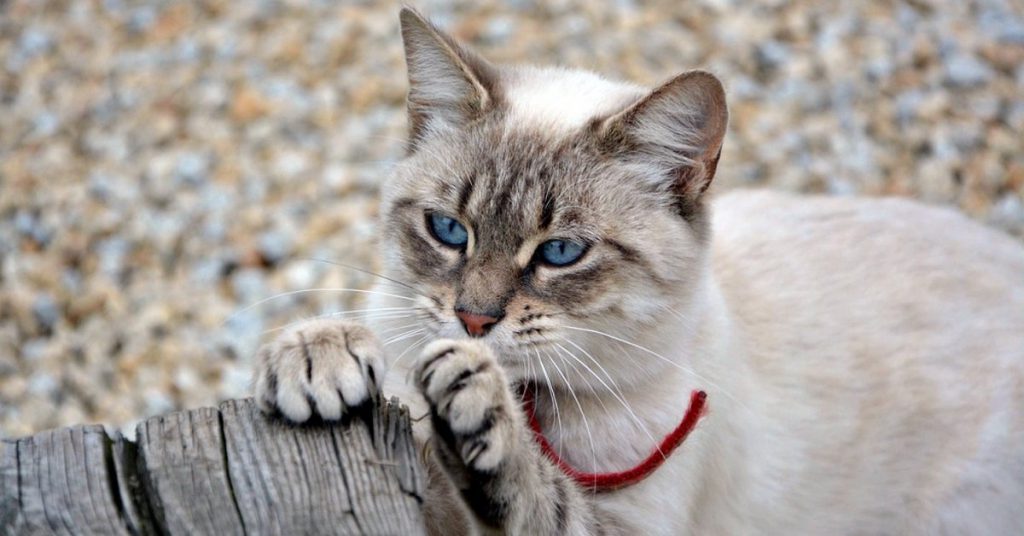
In addition to being loyal to their owners, cats are also among the most entertaining animals. By nature, when they play or interpret your movements—which you may not even notice—in the context of their natural behavior and perceive them differently from your intended purpose, they may occasionally exhibit biting and scratching behaviors. In this article, we’ll share with you “Why do cats scratch?” We will provide answers to this question.

Cats may engage in scratching when they exhibit aggressive behavior. The occurrence of scratching is of great importance for cats’ health. Through scratching, cats gain the benefit of stretching their entire bodies and minimizing tension in their back muscles. Additionally, through scratching, cats increase the energy exerted on the outer layers of their claws. This process exposes the sharp layers located on the undersides of their claws. Cats further develop their scratching instincts when using any toy they have in their paws.

How Can Cats Stop Scratching?

Cats scratch for a variety of reasons from time to time. In this regard, cats may scratch either to instinctively mark their territory or to instinctively sharpen their claws. It is quite difficult to break a cat of its scratching habit. Furthermore, trying to break them of this habit is not a healthy alternative for the cat’s well-being.

Scratching in cats can lead to situations that are unpleasant for owners, particularly when it involves household items. Damage to furniture caused by cats scratching can disrupt the peace of mind of those living in the home. For this reason, certain alternatives—or products specifically designed for cats—can be considered to minimize this behavior and prevent damage to household items.

What Are Some Good Items for Cats to Scratch?

To minimize damage during a cat’s scratching phase, pet stores provide scratching posts specifically designed for this purpose. A scratching post is the ideal choice for providing an alternative for a cat in its scratching phase. When purchasing a scratching board or tree, the cat’s age is of great importance; therefore, a sturdy scratching tree should be chosen for an adult, active cat.

The scratching post should be placed near the area where the cat normally scratches, and the cat should be rewarded with a treat when it chooses the scratching post instead of scratching the usual spot.

Why Do Cats Scratch Their Claws?

Scratching is one of the most natural ways for cats to mark their territory. After scratching, cats perform a very effective stretching motion. They scratch not only objects but also their own claws. This helps keep their claws sharp and pointed. In addition to the physical marks they leave behind, scratching also triggers the release of hormones and pheromones.

How Do We Change the Scratch Area?

First, we clean the area where we don’t want the cat to scratch. During the cleaning process, we can use odor removers or natural soaps. This way, we remove the “territorial markings” that cats leave with their paws on objects.

Kool Kat Home Spray We spray it on the area we’ve cleaned. By sending signals of “happiness” and “security” to the cats, we prevent them from scratching. We continue to use the spray as needed.

Since scratching is natural for cats, we always make sure to get a scratching post. We place the scratching post near the cat’s old scratching spot.


How Should Oral and Dental Care Be Performed in Dogs?

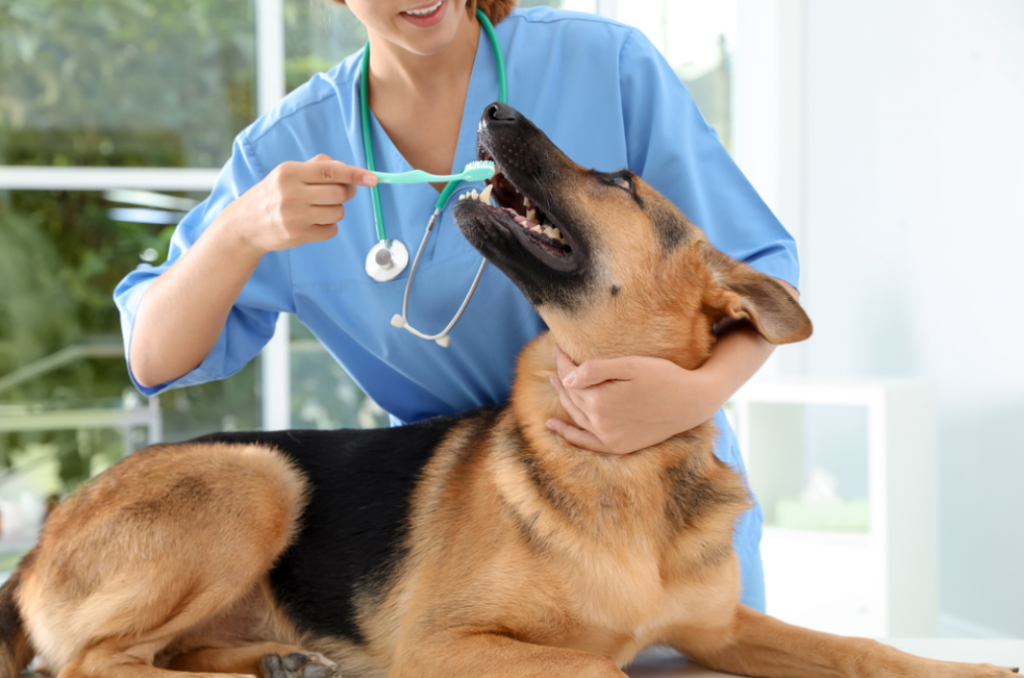
Oral and dental health is very important for dogs. Dog owners are often concerned about how to maintain their dogs’ oral and dental health.This raises the question: What should oral and dental care for dogs entail?Actually, oral and dental care for dogs is easier than it is for humans. Our furry friends’ teeth are more resistant to cavities and bacteria. We’ve outlined the steps for proper oral and dental care for dogs below:

  • You need a good toothbrush to clean your dog’s teeth. When purchasing a toothbrush, it’s important to make sure it has a dual-headed design. These brushes are angled at 45 degrees. Thanks to this 45-degree angle, you can easily take care of your dog’s dental hygiene.
  • Getting your dog used to a toothbrush can be challenging at first. Some dogs don’t like having their teeth brushed or may resist the process. At this point, it’s important to turn toothbrushing into a fun activity. This way, you can help your dog get comfortable with the toothbrush and maintain their dental health without causing them stress.
  • If you have a puppy, that’s a real advantage! Puppies are generally more receptive to this kind of training. So now might be the perfect time to get your puppy used to a toothbrushing routine.
  • In addition to a toothbrush, choosing the right toothpaste is also very important for your dog’s dental care. You should, of course, opt for toothpaste specifically formulated for dogs. It’s important to remember that toothpaste intended for humans contains fluoride. Fluoride is toxic to dogs.
  • Although dogs have similar dental structures, their sensitivity levels vary greatly. In this case, you can feed your dog dry food.
  • Help your dogs relieve their chewing urges. You can get them some chew toys or bones. This will also help strengthen your dog’s jaw.
  • ProDen PlaqueOff® We can use this product to care for your dog’s oral and dental health. It works with your dog’s natural oral flora, dissolves existing tartar, and helps prevent new tartar buildup. It is clinically proven to deliver positive results and is recommended by veterinarians. 
  • ProDen PlaqueOff® Thanks to its ease of use and fast-acting formula, it has become one of the world’s best-selling oral care products.

Dental and Oral Care Routine for Dogs

You can easily maintain your dogs’ dental and oral care routine at home. However, it is also important to seek veterinary care at regular intervals. If your dog exhibits any of the symptoms listed below, it is recommended that you visit a veterinary clinic as soon as possible. 

  • Broken teeth
  • Severe bad breath
  • Scratch marks on the face or mouth, or bleeding from the mouth
  • Depression
  • Swelling inside the mouth
  • Significant changes in eating and drinking habits
  • Excessive drooling
  • A dental structure that is missing or misaligned.

Ync  Oral Cure Taking care of your oral and dental hygiene is now very easy. After spraying it onto your gums;

  • It improves microcirculation in the gums.
  • It fights harmful bacteria in the oral flora.
  • It breaks down tartar over time.
  • Prevents bad breath
  • It has properties that promote blood circulation in the gums, as well as anti-inflammatory, cavity-preventing, and anti-tartar effects.
  • Prevents bad breath
  • It whitens teeth.
  • It kills the pathogenic bacteria that cause bad breath.
  • Treats and prevents bleeding gums.

What Causes External Parasites in Cats and Dogs? What Are the Symptoms?

Parasites can be defined as microorganisms that depend on a host organism for survival and, because they obtain their needs from the host, can transmit various diseases to it in the process. Parasites sustain their lives by sharing the host’s nutrients. In this way, they cause the host to become ill and weakened.

External parasites, which are the most common and can transmit microorganisms that the host organism is already carrying: dış parazitler:

  1. Fleas: Fleas, which are usually black in color, are visible to the naked eye. They move very quickly. In addition to their rapid movement, they are also capable of jumping. They can survive for a total of 30 days. They can reproduce and lay eggs on their host. Fleas, which prefer damp and dark environments, are commonly found in large numbers in forested, grassy, and bushy areas. When you take your dogs and cats outside, your little friends become hosts for fleas. They are usually hard to spot. They can be observed around the ears, under the arms, on the neck, and in the groin area. Fleas, which feed by sucking blood from the body, can transmit blood-borne parasites to the host; if left unnoticed, they can also cause specific and chronic illnesses in your pets.
  2. Ticks: Like fleas, ticks are ectoparasites that can cause many diseases in your pets. They are also visible on your pets’ bodies. Ticks have a hook-like structure on their mouthparts. When they attach themselves to your pet’s body, they embed their hooks into the skin, making it very dangerous and nearly impossible to remove them by hand. If detected on the skin and pulled out by hand, their heads remain embedded. This can cause an abscess on your pet’s skin. Ticks are also found in shaded, damp grass, soil, and trees. In addition to transmitting “Lyme” disease, which is commonly seen in dogs, various types of ticks can also act as carriers for other diseases that pose different life-threatening risks.
  3. Bits: There are two different types: biting lice and sucking lice. Both types are generally more common in unkempt and neglected animals. They are commonly found on the neck, head, and back of animals. They are easily visible among the fur. They feed on lesions and skin flakes on the animal’s skin. They do not transmit from animals to humans. 

Blood-sucking fleas are more commonly seen. They survive by feeding on blood. Their reproduction rate is quite high. They are more commonly found in young dogs and, generally, in dogs with long coats. Because they can multiply in large numbers, they can cause stunted growth, anemia, mild to severe itching, weight loss, hair loss, and mild skin lesions.

  • Scabies pathogens: Sarcoptes, Demodex, and Otodectes are the most common types of mites. Sarcoptes and Demodex infest the skin, while Otodectes causes ear mites. Generally, all types are associated with itching and skin lesions. They are difficult to treat and highly resistant. They can also often lead to secondary bacterial infections.

Causes of External Parasites

External parasite treatments (sometimes referred to as an "external parasite vaccine," though it is essentially a routine treatment) are more commonly needed for cats and dogs that are not fully vaccinated and come into contact with other animals. Parasites can emerge due to the use of other animals’ belongings and various other mechanisms. By keeping your own pets away from animals showing signs of external parasites, you can prevent the spread and transmission of these parasites. Additionally, if the area where you walk your dog or cat has a high population of external parasites, treating only your pet may not be sufficient. In areas with high parasite populations, targeted environmental treatment should also be performed. Regularly brushing and inspecting your pets will provide you with a significant advantage in preventing external parasites. Knowing the symptoms exhibited by animals infested with external parasites is crucial for pet owners.

Symptoms of External Parasites

External parasite Symptoms of itching are commonly observed in pets. In fact, hair loss in the areas where the animals scratch and skin lesions are among the other symptoms observed as a result of intense itching. External parasites hidden among the fur are easily detectable because they are visible to the naked eye. Animals may also exhibit symptoms such as fatigue, lethargy, diarrhea, vomiting, and similar signs.

Water Consumption in Dogs and Cats

Water is essential for all living things. Water intake in dogs and cats; The question of how much water dogs and cats should consume is frequently asked. Drinking enough water is vital for the health of both dogs and cats. Their bodies are 70% water. Water is essential for every chemical process that occurs in the body. As with all living things, water is the most important nutrient for dogs and cats.

Water, which humidifies the air in the lungs and transports oxygen and nutrients from the bloodstream to the cells, also helps regulate body temperature. While aiding in the elimination of waste products from the body, it also supports nervous system function.

Cats and dogs meet their daily water needs in various ways. The most common method is drinking water. However, for those who eat wet food, water intake may be slightly lower. This is because wet food has a higher moisture content than dry food.

How can you tell how much water your pet drinks? In the morning, measure the amount of water you put in your pet’s water bowl. Let the water remain available all day, and if your pet empties the bowl, refill it (but measure how much water you add). At the end of the day, measure the amount left in the bowl. Do this for a few days or a week to determine your pet’s average water intake. This way, you’ll be able to track how much water they drink on average per week or per day. If you have multiple pets and need to measure one’s water intake, you can separate their water bowl from the others.

How Much Water Should Dogs Drink?

A dog’s water needs vary depending on its body weight and, consequently, its breed. Generally, a dog engaging in moderate exercise in a normal temperature and humidity environment should drink approximately 1–2 liters of water per day. Since domestic dogs are typically fed dry food on a regular basis, their need for fresh, cool water is particularly high.

However, frequent urination and excessive water intake can also be signs of an underlying medical condition in a dog. In particular, hormonal disorders such as diabetes, kidney disease, liver disease, fever, and infections can cause a dog to drink excessive amounts of water. Certain medications can also increase thirst. If you notice that your dog is drinking more water than usual, you may need to schedule an appointment with a veterinarian right away.

How Much Water Should Cats Drink?

Under normal circumstances, cats consume about 4 to 5 times as much water as the amount of dry food they eat in a day. In other words, a cat that eats an average of 50 grams of dry food per day should consume at least 200–250 ml of water. Just as with dogs, if you notice that your cat is drinking water frequently and urinating very often, you may need to visit a veterinarian.

A dog or cat that hasn’t drunk enough water may appear lethargic, have dull-looking eyes, sticky saliva, and darker gums. If their kidneys are functioning properly, a dehydrated dog or cat will have urine that smells bad and is dark yellow in color. However, if your cat or dog has kidney disease, their urine may remain light in color even if they are dehydrated.

Cats, in particular, sometimes don’t drink enough water. There are a few things you can try to encourage them. For example, you can move the water bowl to a different spot or use a water fountain. For dogs, you can use a reward system. You can reward your dog with words like “good boy” or “good girl” after they drink their water.

What Are the Symptoms of Fungal Infection in Cats?

Cats are a source of joy in our homes. Our adorable feline friends are also extremely sensitive. This means that cats can fall ill and become lethargic more quickly than other animals. One of the most common illnesses in cats is, without a doubt, fungal infections.

Cat owners need to be more vigilant and informed about fungal infections, which are one of the most common diseases affecting all cat breeds. mantar enfeksiyonu This is because there are different types of fungal infections. While some infections affect a cat’s skin, others directly damage the cat’s immune system, leaving our beloved pets vulnerable to other illnesses.kedilerde mantar enfeksiyonu belirtileri nelerdir?” sorusunun cevabını bilmelerinde fayda vardır.

Symptoms of Fungal Infections in Cats

No matter how much care you take of your cat, their immune system can sometimes weaken. It’s especially important to pay closer attention to your cat’s diet during seasonal transitions. This is because during these times, they are at a higher risk of developing fungal infections and are more susceptible to other illnesses. That’s why questions like “What are the symptoms of a fungal infection in cats?” are frequently asked.

1. Skin Redness

Redness is most commonly seen around a cat’s eyes, nose, and on its abdomen. Additionally, if you notice redness on your cat’s skin while grooming it, you should consider the possibility of a fungal infection and take your cat to the vet immediately. Redness on a cat’s skin not only causes discomfort but also leads to constant scratching.

2. Excessive Hair Shedding

Cats shed their fur from time to time, and this is quite normal. However, if your cat is shedding more than usual, you should consult a veterinarian immediately, as a fungal infection may be the cause. Fungal infections often cause localized hair loss in cats. Hair loss is most common behind the ears and on the back.

3. Coin Drop on the Skin

In more advanced fungal infections, symptoms such as flaking of the skin may be observed. Flaking, redness, oozing, and itching are frequently seen, particularly in areas where hair has fallen out.

4. Bad Odors in Cats

Fungal infections can cause unpleasant odors on the skin. In such cases, maintaining your cat’s hygiene is the most important factor to consider.

5. Fatigue

Fungal infections not only affect the skin but also weaken a cat’s immune system. Cats with weakened immune systems may exhibit symptoms such as lethargy, weight loss, and excessive sleeping.

6. Itching

One of the problems associated with fungal infections is itching. Itching occurs due to redness and flaking of the skin. If your cat is constantly scratching and the affected areas are bleeding, the fungal infection may have progressed. For this reason, it is advisable to begin treatment immediately.

How Can We Protect Cats from Fungal Infections?

It is possible to protect cats, one of our pets, from fungal infections. Ensuring that your cat’s environment is hygienic, cleaning their food bowl regularly, and teaching them litter box habits are among the most basic precautions. Additionally, regularly cleaning your pet’s living area with vinegar water will help prevent potential infections.

In addition, feeding cats regularly will also help prevent infections. With Viyo Imune, you can help boost your pet’s immune system and protect them from fungal infections. 

Treatment of Fungal Infections in Cats

You must consult a veterinarian for the treatment of fungal infections in cats. mantar enfeksiyonunun tedavisi With the right treatment method and effective use of medication, this problem will be resolved in a very short time. In addition to clinical treatments for fungal infections, there are certain steps you should take at home. These include ensuring your cat’s hygiene, providing a healthy diet, and administering medications on time and at the full dose.


Burns in Cats and Dogs

The recent spate of forest fires and the resulting cases involving domestic and wild animals have prompted us to consider what we can do to help. In this article, we will provide information on burns in cats and dogs, what steps should be taken to treat them.

First aid is crucial for treating burns in cats and dogs. A burn is a type of injury to the skin. The most common types of burns seen in animals include thermal burns caused by heat, mechanical burns resulting from constant friction against fibrous materials such as carpets, and chemical burns caused by substances like lye or gasoline.

Classification of Burns

Burn classification in cats and dogs is determined by the extent to which the skin layers are affected.

First-Degree Burns: The first layer of the skin (epidermis) has been burned. This is a dry, mild, and slightly swollen burn.

Second-Degree Burns: The first layer of the skin (epidermis) and the second layer (dermis) have been burned. Blisters may have formed on the skin.

Third-Degree Burns: It affects all layers of the skin; in some cases, even nerve endings may be damaged. This can lead to changes in skin color and loss of sensation.

Burn treatment will vary depending on the severity of the burn. Minor burns can usually be treated symptomatically without the need for any diagnostic tests. The best thing a pet owner can do in the event of a burn is to take the animal to a veterinarian as soon as possible. In burns, even a skin mark that appears minor can quickly turn into dead tissue. This is a painful process and carries a risk of infection. Therefore, a veterinary examination is necessary in any case of a burn.

Each type of burn requires a different treatment method. For example, while applying water to chemical burns can make the situation worse, gently wetting the area with water is beneficial for thermal burns. Therefore, you should inform the veterinarian about the type of burn.

You may accidentally burn your pet while drying them with a hair dryer, especially after a bath. Therefore, the best method is to first pat them dry with a towel and then, if it’s a warm day, let them air-dry in the sun. When drying cats and dogs, it’s important to use the hair dryer on the cool setting. Some animals are also quite sensitive to the sun. Therefore, on very hot summer days, you should avoid exposing them to excessive sunlight.

When it comes to the risk of burns in pets, time is of the essence. In such cases, the best thing you can do for your pet is to take it to a veterinarian as soon as possible. 

Ync Wound Cure can promote rapid healing of the burn area.

Ync Wound Cure can be used to reduce the risk of infection and prevent inflammation in burned areas. Additionally, thanks to its anti-inflammatory properties, it can help reduce irritation in burned areas. It has protective and soothing properties. It can help protect the skin in burned areas and support the healing process.


Coprophagia

Coprophagia; literally defined as the act of eating feces, is a behavioral disorder observed in cats and dogs. One of the most common disorders in pets, the habit of eating feces, is rarely seen in cats but frequently observed in dogs. These negative habits observed in cats and dogs often lead to serious animal diseases. This is because certain viruses and bacteria found in feces enter the bodies of cats and dogs, causing significant health issues.

Cats or dogs that have a habit of eating feces typically eat their own feces, but they may also eat the feces of other animals. In such cases, it is essential that the cat or dog receive the necessary treatment.

Dogs that exhibit the habit of eating feces are typically young puppies. Since the feces of puppies that are still nursing contain a certain amount of protein, mother dogs eat their puppies’ feces. Puppies who witness this behavior begin to eat feces because they imitate their mothers. Puppies or kittens usually stop eating feces immediately after weaning. Under normal circumstances, this habit begins this way and ends when the puppies are weaned. However, some cats and dogs continue to eat feces even after they have stopped nursing from their mothers. In such cases, certain nutritional deficiencies or various health issues may arise. Therefore, the habit of eating feces observed in dogs or cats must be addressed immediately.

Causes of Coprophagia

In addition to the reasons mentioned above, there are other factors that can lead to the habit of eating feces in dogs. Therefore, the exact cause of the fecal-eating behavior must first be identified, and appropriate measures should be taken. The main causes of the habit of eating feces in dogs, as outlined at and, are:

  • A tendency to consume non-food substances due to an inability to obtain sufficient minerals from the diet
  • The tendency of pets, particularly those kept in apartments, to eat their own feces in an attempt to eliminate it, stemming from discomfort caused by defecating in their living space due to a lack of sufficient outdoor exercise
  • Keeping the dog chained up all the time
  • Sedentary lifestyle
  • Spending a lot of time in the same environment
  • Digestive problems and intestinal disorders
  • Various scents that dogs enjoy
  • The desire to receive attention from their owners or other animals
  • Excessive and intense stress in animals

All of these are among the primary factors that trigger the habit of eating feces in dogs. Pet owners must find a solution to this problem as soon as possible. This is because dogs and cats that eat feces can develop a wide variety of diseases caused by parasites. Additionally, harmful viruses and parasites that accumulate in the fur and mouth of animals due to this habit can also spread to humans. Consequently, this can lead to unwanted diseases in both humans and animals.

What can be done to prevent our pet from eating its own feces:

  • The cause of the habit of eating feces must be identified. To do this, you should consult a veterinarian.
  • If the cause is related to diet, you should switch to high-quality dry food
  • Vetri Science Canine Plus Multivitamin will provide your dog with the essential vitamins and minerals it needs, helping to prevent coprophagia more effectively
  • In cases of anxiety, spend more time with your cat or dog and take them for longer walks outside
  • With the help of the natural ingredients in Vetri Science Composure it will be easier for you to prevent anxiety-related behaviors in your cat or dog.