The world is constantly encountering new diseases. As a very rough estimate, it can be said that a new disease emerges in humans every eight months (this figure is higher among animals).
In 2008, as part of the “Looking Ahead Program,” the UK Government investigated the potential threats posed by new and critical diseases that might emerge. 1,2 Among these diseases, which were categorized into 8 groups based on their perceived severity, 3 specifically pointed to the current SARS-CoV-2 (severe acute respiratory syndrome coronavirus-2) pandemic (these 3 categories were titled: new diseases, zoonotic infections, and acute respiratory diseases). 1 The successful control of globally spreading diseases depends on a number of factors. The most common natural control mechanism occurs when a sufficient number of individuals in the population acquire immunity against the infection (as in herd or population immunity).However, it should not be forgotten that herd immunity cannot be achieved if the pathogen mutates (as is often the case with influenza viruses) or if the host’s immune system is suppressed. It is possible to accelerate the development of herd immunity by vaccinating individuals. However, when a new disease emerges, developing these vaccines, conducting preliminary tests, and establishing the infrastructure to begin effective vaccine production cannot be accomplished quickly enough to curb the first wave of the outbreak. Therefore, we are currently facing the SARS-CoV-2 pandemic and must bring the disease under control by making informed decisions based on projections. For this reason, we need to understand the virus’s pathology, epidemiology, viral transmission models, and the survival characteristics of the virus once it leaves the host.
Coronaviruses
Coronaviruses They are single-stranded, positive-sense RNA viruses. They can infect a wide variety of species, including humans, farm animals, and pets. These viruses possess an extraordinary genetic flexibility (plasticity) that arises from point mutations and the accumulation of recombination events. This capacity for genetic variation is responsible for increased virulence, the ability to infect different tissues, and/or the emergence of new viral strains with a broad host range. Today, coronaviruses are classified into four genera: Alphacoronaviruses, Betacoronaviruses, Gammacoronaviruses, and Deltacoronaviruses (Box 1). While many alphacoronaviruses and betacoronaviruses originate from bats, gammacoronaviruses and deltacoronaviruses tend to originate from birds. Although it is estimated that coronaviruses first emerged around 8000 BCE, based on evidence suggesting they have coexisted with bat and bird species for a long time, it is believed that they share a common ancestor dating back 55 million years.3 Since then, new coronaviruses have emerged regularly, with a significant proportion of them having emerged in the past century. For example, it is known that the bovine coronavirus and the canine respiratory coronavirus diverged from a common ancestor in the 1950s,⁴ and that SARS-CoV originated from a bat coronavirus in 1986.
Canine respiratory coronaviruses (CRCoV) Like SARS-CoV-2, canine respiratory coronaviruses (CRCoV) are also a betacoronavirus, and the story of the pathogen’s discovery shares some parallels with the SARS-CoV-2 pandemic that has dominated the headlines. In the early 2000s, a series of acute, and sometimes hyperacute, respiratory illnesses resulting in the deaths of several dogs were observed at a dog shelter in London. A study was initiated to determine why this outbreak spread so rapidly and widely, and why dogs that had received the “kennel cough” vaccine also became ill. The study revealed that the current situation was caused by a new coronavirus (CRCoV) genetically distinct from the enteric canine coronavirus belonging to the alphacoronavirus genus. Rapid diagnostic tests for CRCoV were developed using PCR and ELISA techniques for the virus and the antibodies it induces, respectively. These tests helped us understand the epidemiology of the disease among both dogs living in the shelter and those brought in from outside. In the days that followed, these tests not only revealed the prevalence of the disease in other shelters but also provided insights into how the disease progresses and its clinical significance.7 It was found that CRCoV was present in both air samples and in water bowls and toys within the dog kennels. The isolation of the virus from such surfaces was unexpected. Therefore, cleaning procedures at the shelter were modified to include new biosecurity measures, thereby reducing the infectious load of the virus between shelters. 8 During CRCoV infection in dogs, mild inflammatory changes are pathologically observed in both the nasal mucosa and the trachea.9 Damage also developed in the superficial ciliated structures of the respiratory tract; this was confirmed by the observation that cells in CRCoV-infected tracheal organ cultures lost their ability to remove latex. 10 This type of damage observed in the cilia is a common finding in respiratory coronavirus infections that cause mild upper respiratory tract illness. However, such damage facilitates the penetration of secondary microbial infections into deeper parts of the airways and contributes to the development of pneumonia in more severe cases.
For example, studies have shown that when dogs infected with CRCoV are experimentally inoculated with Bordetella bronchiseptica or canine mycoplasma, clinical symptoms are significantly exacerbated. Indeed, in actual clinical cases, it was determined that CRCoV infections not complicated by another infection are mild and resolve very quickly; however, secondary infections lead to an exacerbation of clinical symptoms. This situation may also apply to the current SARS-CoV-2 pandemic.
Other coronaviruses in animals;
In addition to the contributions that research on CRCoV can make to our understanding of emerging coronaviruses such as SARS-CoV-2, studies on other animal coronaviruses can also provide valuable insights: • The avian infectious bronchitis virus was the first coronavirus to be identified,¹¹ and it exhibits significant genetic divergence from many other coronavirus strains currently in circulation. Like other coronaviruses, it spreads very rapidly via aerosols and, depending on the strain, can cause high mortality rates (over 60%) in unvaccinated flocks. Effective vaccines are available, and the knowledge gained from the vaccine development process could form the basis for ongoing vaccine efforts against SARS-CoV-2. • In recent years, it has become evident that the hemagglutinating encephalomyelitis virus and the epidemic swine diarrhea virus have been circulating insidiously within pig herds in Italy.12 Furthermore, evidence has been found suggesting that these two viruses have formed a recombination with another swine coronavirus (the infectious gastroenteritis virus). This information suggests that new viruses could emerge at any time within the pig population and that mandatory surveillance studies may be necessary.
Diagnosis of SARS-CoV-2 in humans;
Human coronaviruses 229E, NL63, OC43, and HKU1 are associated with mild cold symptoms. These four viruses circulate continuously within the human population and mostly remain undetected. Therefore, any diagnostic test developed for SARS-CoV-2 must accurately distinguish SARS-CoV-2 from these other coronaviruses. Developing strategies that could allow vulnerable people to move about freely will only be possible with the help of sensitive tests. The current delay in developing a specific antibody test for SARS-CoV-2 could pave the way for cross-reactivity with other human coronaviruses. On the other hand, it is also possible that these closely related viruses provide some degree of cross-protection, which could explain the observed differences in susceptibility to SARS-CoV-2 among individuals.
SARS-CoV-2 infection in animals;
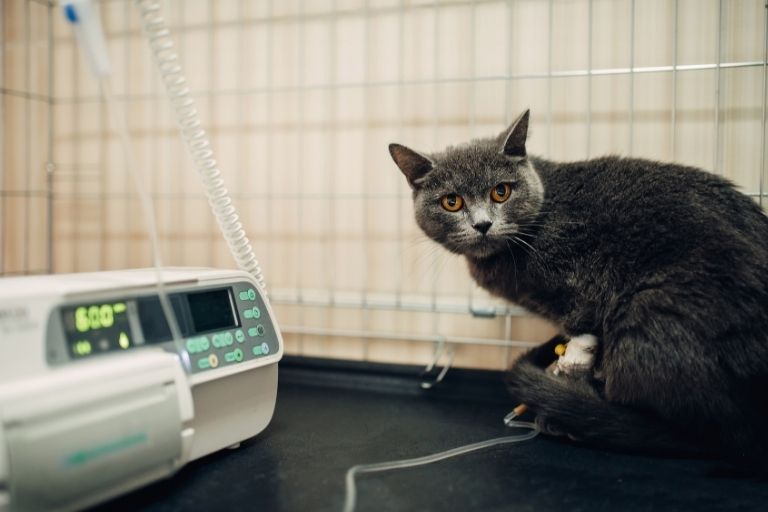
SARS-CoV-2 was first isolated toward the end of 2019. However, information regarding the animal reservoirs of this virus has not yet become fully clear. Although several animal species have been mentioned at a speculative level, designating an animal as a reservoir for human infections and taking corresponding strategic steps is only possible with verifiable scientific evidence. 13 There is limited evidence suggesting that pangolins may serve as an intermediate host for this infection but not as a reservoir. The presence of some similarities between the pangolin betacoronavirus and SARS-CoV-2 is insufficient to conclude that these animals are the as-yet-undiscovered reservoir for SARS-CoV-2. However, the detection of 96% genetic homology between SARS-CoV-2 and the bat SARS-like coronavirus (BAT-CoV RATG13) provides compelling evidence that bats are the reservoir animals.14 Another piece of information, which may be considered even more significant, came from the Harbin Veterinary Research Institute in China. In this study, cats and ferrets were experimentally infected with SARS-CoV-2, and it was demonstrated that the virus spread from the inoculated cats to uninoculated cats. 15 However, in this study, the nasal inoculation was performed at a very high dose (10⁵ plaque-forming units), and it is unclear whether similar results would hold true under natural infection conditions. In both the cats and ferrets used in the study, viral replication occurred only in the upper respiratory tract and was not detected in the lower respiratory tract or other organ systems. In dogs experimentally inoculated intranasally, it was shown that the virus could only establish a weak infection; no evidence was found to suggest that pigs, chickens, or ducks are susceptible. Recent reports indicating that SARS-CoV-2 infection was detected in 1 tiger and 5 lions living at the Bronx Zoo in the U.S. are quite interesting. These reports should prompt us to consider the Harbin study—which demonstrates that cats can become infected with SARS-CoV-2 and transmit it to other cats—not only in terms of transmission among cats but also regarding the possibility of cats transmitting the virus to humans. Therefore, new experimental and field-based epidemiological studies to investigate this possibility must be urgently supported.
Result;
Coronaviruses They circulate in many species, including humans. They spread very quickly (especially via aerosols) and can lead to severe illness. Because they are RNA viruses, they can mutate rapidly and may even recombine with other coronaviruses, leading to the emergence of new strains. Additionally, as observed in swine coronaviruses—and to some extent in the SARS-CoV-2 pandemic—they can spread silently among populations. Given the long-term experience they have gained through their work with animal coronaviruses, veterinarians are uniquely positioned to help guide future research not only toward a better understanding of the origin and spread of SARS-CoV-2 but also toward the development of effective vaccines and antiviral drugs.
Joe Brownlie, Emeritus Prof., Royal Veterinary College, Hatfield, UK
This is the original translation by our esteemed retired Professor Dr.Sırrı Avki of the scientific article published in the UK on April 16, 2020.