What Helps with Cat Flu?

Your pets, who depend on your care, may get sick from time to time and go through periods when they need you even more. 

One of the most common illnesses you may see in cats is cat flu Kittens, in particular, are more likely to get sick during the first few months after birth because their immune systems are not yet strong enough.

Kedinizin bakım vereni olarak bu durumu önceden fark etmeniz ve gerekli adımları uygulamanız hem kedinizin konforunu artıracak hem de nezle ilerlemeden kontrol etmek sizin için daha iyi olacaktır.

Kedi nezlesinin belirtilerini ve sizin neler yapabileceğinizi bu yazı ile öğrenebilirsiniz.

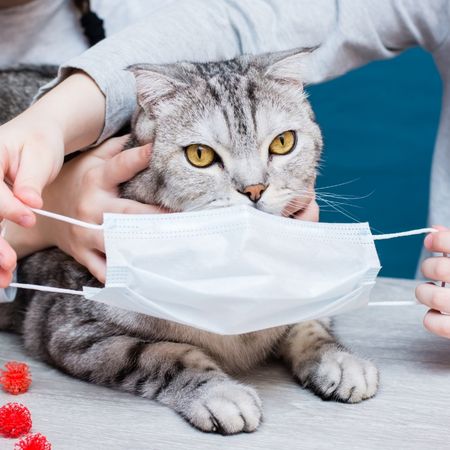
kedilerde-nezle-1
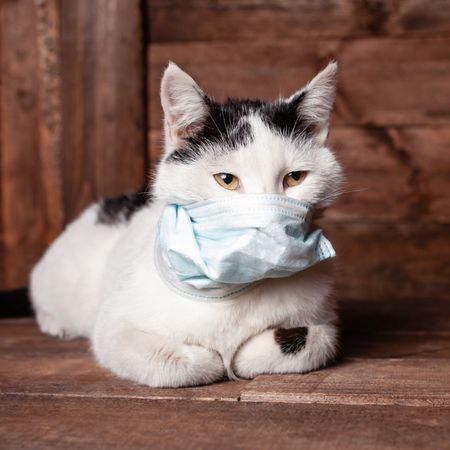
kedilerde-nezle-2

Kedinizde aşağıdaki belirtiler başlamışsa ve bir süredir devam ediyorsa zaman geçmeden doğru yöntemleri uygulamak, gerekirse hemen veteriner hekime götürmeniz önemlidir: 

• Hapşırık
• Burun akıntısı 
• Ağız yaraları/ kızarıklıkları
• Gözde çapaklanma/ akıntı
• Öksürük nöbetleri

• İştahsızlık
• Kusma
• İshal
• Halsizlik

Yukarıdaki belirtilerle başlayan ve tedavinin geciktiği durumlarda ilerleme gösteren kedi nezlesi kısa sürede müdahale gerektirir. Özellikle solunum yolu enfeksiyonu kedilerde göz ve burun akıntısı, hapşırık ile kendini gösterir. Bu enfeksiyona neden olan parazitler ilerleyen süreçlerde ilaç tedavisini kaçınılmaz kılar.

Kedi nezlesine sebep olabilecek etkenler ne yazık ki kolay bir bulaş yoluna sahiptir, aynı kaptan mama yeme, su tüketme, aynı kum kabını kullanma gibi basit yollarla bile bulaşabilir. Kedinizde bu belirtileri görürseniz öncelikle onu izole etmeniz gerekir.

Sokak kedilerindeki nezle, diğer kedilerle bir arada olmaları nedeniyle bulaş ihtimalini arttırır. Bu durumda yapmanız gereken en önemli yardım, belirti gösteren bir kediyi sevdikten sonra diğer kedileri sevmeden önce hasta kediye temas ettiğiniz bölgelerinizi temizlemenizdir.

Evinizde beslediğiniz kedi sayısı birden fazla ise ve aralarında bu şekilde kedi nezlesi belirtisi gösteren kediler varsa yine hasta olan kedinizi izole etmelisiniz. Kedilerinizin mama ve su kabını ayırmalısınız.

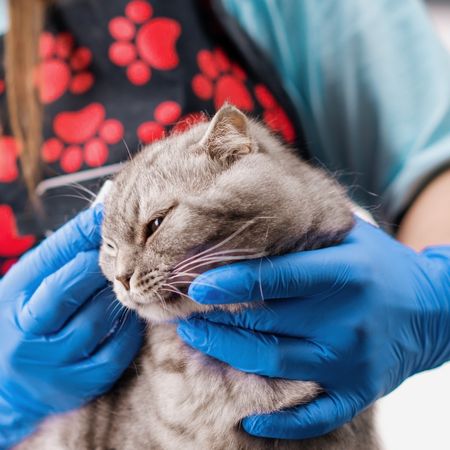
kedilerde-nezle-3
kedilerde-nezle-4

Kedinizin, kedi nezlesini en kısa sürede atlatmasına yardımcı olmak ya da hiç yaşanmaması için önlem almak amacıyla çeşitli takviyelerden yararlanabilirsiniz. Örneğin kediler için önemli bir aminoasit olan lizin, hem viral etmenlere karşı kedinizin bağışıklığını sağlamlaştıracak hem de hastalığı daha kolay atlatmasına yardımcı olacaktır.

Multivitamin takviyeleriyle beslenmesini daha sağlam hale getirerek yine kedinizin bağışıklık sistemini güçlendirmiş olacaksınız.

Hayvanın yaşlı olması, kronik bir başka rahatsızlığı olması, yavru olması gibi nedenler kedi nezlesi için farklı tedavi gerekliliklerini doğurur. Bu nedenle her kedi nezleyi farklı şiddette geçirebileceği gibi doğru teşhis ve tedavi veteriner hekimlerince yapılabilir.

The Importance of Synbiotic Products in Veterinary Medicine

Sinbiyotikler

Sinbiyotikler, prebiyotikler ve probiyotiklerin bir arada bulunmasını sağlayan önemli besin türlerinden birisi olarak tanımlanır. Sinbiyotik biçiminde alınınca probiyotik yapısında olan mikroorganizmalar hayatta kalma sürelerinin uzaması ve kolonlar içerisinde daha organize yerleştikleri konusunda kanıtlar söz konusudur. Örneğin; ev ortamında yapılan turşular, ev ortamında yapılan kefir, evde yapılmış zeytinyağı, yoğurt, boza, soya, fermente, tarhana, kimchi ve sauerkraut gibi besin ürünler sinbiyotik ürünlere birer örnektir.

Probiyotik gıdaların insan sağlığına müthiş etkilerinin olmasından, farklı olarak gastrointestinal sistemler ve bağışıklık sistemleri üstünde birçok olumlu etkisi ve emosyonel psikoloji üzerinde birçok katkısı söz konusu olduğundan, günümüzde birçok hastalık ve rahatsızlığın giderilmesini için tedavi araçları olarak görülmektedir. Birçok hastalığın tedavisinde bu ürünler her geçen gün git gide artıyor. Bağırsaklar üzerinde probiyotikler oldukça fazla etkiye karşı hassas bir yapıya sahiptir ve basit bir şekilde tahribata uğrayabilirler.

Bu sebepten ötürü destelenmesi gereken yapılara sahiplerdir. Doğal ve sağlıklı beslenebilmek adına prebiyotik ve probiyotiklere ihtiyaç duyulur. Tüketim alışkanlıkları içerisinde yer alan bu probiyotikli yiyeceklerden biri de yoğurttur. Bunun dışında, kefir gibi süt ürünleri ve ev yapımı turşular da doğal prebiyotik ürünlerdir. Bu ürünlerin tüketimi konusunda bilinçli yaklaşım sergilenmelidir.

Şimdi sizlere kedi ve köpekler için kullanılması gereken önemli ürünlerden biri olan Synbıocure hakkında bilgiler vereceğiz. Bu ürün sayesinde minik dostlarınızın bağışıklık sistemi daha düzgün çalışacak ve besin sindirimi konusunda rahatlayacaklar.

SynbioCure

İçerisinde bulunan ‘’enkapsüle Lactobacillus acidophilus CECT 4529 – Enterococcus faecium NCIMB 10415 suşları köpek ve kedilerde bilimsel olarak kanıtlanan etkilerinden bahsedeceğiz;

  1. Disbiyozisi etkisiz hale getirir, bağırsaklarda rahatlama sağlayıp kolonizasyon oluşumu sağlar.
  2. Sindrimin düzenlenmesine yardımcı olur ve karaciğerleri temizler.
  3. Besin maddelerinin içerisindeki vitamin ve minerallerin emilimini kolaylaştırır ve kilo konusunda düzenleyici bir etkiye sahiptir.
  4. Yangısal bağırsak rahatsızlıkları ve ishal gibi tedavisinde aktif bir düzenleyicidir.
  5. Sindirim sistemini düzenler ve gastrit ve Abdominal krampları engeller. Ayrıca Clostridium spp ve E.Coli ishallerinin oluşmasına engel olur. Bağışıklık sisteminin güçlenmesine yardım eder ve patojenleri yok eder.
  6. Dopamin ve Serotonin üremesi konusunda destekleyicidir ve psikolojik problemlerin ve duygu durumlarının dizginlenmesini sağlar. Bunun dışında antioksidan etkileri mevcuttur.
  7. LDL Kolesterol etkilerini zayıflatır ve dermal bariyer etkilerini güçlendirir. Kemoterapi, antibiyotiklerin olumsuz etkilerini ortadan kaldırır.
  8. Plazma endotoksin Konsantrasyonun düşmesine yardımcı olur ve Alyuvarlara karşı dirençlidir. İçerisinde yer alan karnitin ve tualin gibi maddeler ile kalp sağlığına yardım eder.

İnülin Kaynaklarından Biri Olarak Kullanılan Sinerjik Etki Sağlayan Orafti Synergy1, Orafti GR100,  Orafti HP ve Orafti HPX;

  • Kilonun kontrol altına alınmasını sağlayıp, kolesterolün dengelenmesine yardım eder.
  • Sindirim sisteminin güçlenmesine ve bakterilerden korunmasında etkilidir ve iyi huylu bakterilerin üremesine ve yaşamasına olanak tanır.
  • Bunun dışında bu ürün Patentli bir üründür ve bağırsaklardaki Kalsiyum emilimi konusunda %20 artış sağlar.

Bütün bakteriler en kapsüle edilmiş, böylelikle sindirim sisteminden başlayıp kolona kadar herhangi bir tahribata uğramadan ilerleme sağlayıp, kolon bölgesinden açılma sağlanarak etki göstermektedir.

Kedi ve Köpekleri İçin Güçlendirilen Formül

  1. Yoğun bir biçimde Lactobacillus acidophilus CECT 4529 ve Enterococcus faecium NCIMB 10415 kaliteli ve patentli inülin içerir. Ayrıca Taurin ve karnitin içerir ve kalp sağlığına yardımcı olur.
  2. Bütün bakterilerin en kapsüle edilmesiyle birlikte, etki ortamına sahip olan kalın bağırsaklara kadar herhangi bir bozulma duruma yaşamadan ilerlemektedir.
  3. Ülkemizdeki ilk defa Enterococcus Faecim dışında köpek ve kedi metabolizmaları için oldukça önemli bir işleve sahip olan Lactobacillus Acidophilus yüksek etki spektrumu sağlanabilir.

SYNBIOCURE Yararları Nelerdir?

  1. Bağışıklığı artırır ve destekler.
  2. Böbrek ve karaciğer sağlığını korur.
  3. Sindirim sisteminin düzenlenmesine katkı sağlar.
  4. Kalp ve damar sağlığını koruma altına alır
  5. Davranışsal ve Psikolojik sağlık üzerinde olumlu etkiler yaratır.

Köpekler İçin SYNBIOCURE;

İçeriğinde Lactobacillus Acidophilus CECT 4529 Enterococcus Faecium NCIMB 10415 İnülin Orafti GR100, Orafti HP, Orafti HPX ve L-Karnitin bulunur.

Kullanım biçimi; Köpeklerde günlük olarak bir şase gıda içerisine eklenip kullanılmalıdır.

Güneş ışığından uzakta, kuru ve serin bir yerde korunması gereken bir üründür. 30×2 net bir ağırlığa sahiptir. Şaseler içerisinde toplamda 60 gr ağırlığa sahiptir. Üretildikten itibaren 2 yıl içinde tüketilmesi gerekir.

Kediler İçin SYNBIOCURE;

Lactobacillus Acidophilus CECT 4529 Enterococcus Faecium NCIMB 10415 İnülin Orafti GR100, Orafti HP, Orafti HPX ve Taurin bulunmaktadır.

Kullanım biçimi; Kedilerde günlük olarak bir şase gıdanın içine eklenerek tüketilmelidir. Güneş ışığından uzakta, kuru ve serin bir yerde korunması gereken bir üründür. 30×2 net bir ağırlığa sahiptir. Şaseler içerisinde toplamda 60 gr ağırlığa sahiptir. Üretildikten itibaren 2 yıl içinde tüketilmesi gerekir.


The Importance of Preventive Medicine

Preventive medicine refers to all measures taken before a disease develops. Precautions are taken before infectious or zoonotic diseases emerge in animals. In particular, a series of preventive measures are implemented for farm animals. 

The measures taken in this context include the use of antiparasitic drugs and the administration of specific vaccines against viral, bacterial, and fungal pathogens. Infections that develop in animals cause progressive damage to tissues and organs over time. As a result, connective tissue replaces the affected cells.

Even after an infection has been overcome or treated, it may take a long time for the organ or tissue to return to its normal function. In some animals, the organ or tissue may never fully recover its former function. In addition, animal losses may increase due to the existing disease. Treatment costs may be high, or there may be a loss of productivity in the animals. This situation highlights the importance of preventive medicine.

 What Does Preventive Medicine Encompass?

Preventive medicine involves taking necessary precautions before a disease develops. Preventive medicine practices are of great importance in veterinary medicine. In particular, taking preventive measures in advance to prevent the onset and spread of diseases with a very high potential for transmission is one of the fundamental goals of preventive medicine.

The goal of preventive medicine is to prevent the transmission and spread of diseases that commonly affect animals before they have a chance to occur. Preventing the spread of a disease is a far more effective medical approach than treating it after it has already emerged.

Thanks to these measures, saving a single animal helps safeguard the health of many others within the at-risk group. Preventive medicine enables the implementation of effective and wide-ranging measures at very reasonable costs.

The scope of preventive medicine is as follows:

  • Vaccination: Vaccination is one of the most important tools in preventive medicine. Specific vaccination programs targeting diseases that may affect animals seasonally or generally are part of preventive medicine practices. Vaccination is more cost-effective and time-efficient than treating the disease.
  • Internal and External Parasite Treatment: Parasite treatment plays a significant role in preventive veterinary medicine. Internal and external parasites are major contributors to the development and spread of diseases in animals. Therefore, diseases can be prevented when veterinarians perform periodic parasite treatments.
  • Diet: Another key factor contributing to animals contracting diseases is an inadequate diet. Animals that do not receive adequate nutrition have weakened immune systems. As a result, their bodies become vulnerable to disease. In veterinary medicine, proper nutrition must be prioritized in preventive care practices. Nutritional supplements may be administered to animals under the supervision of a veterinarian.
  • Improving Living Conditions: Living conditions can cause stress in animals. This can lead to certain diseases. Therefore, living conditions for animals kept at home or in group settings must be regulated and improved.
  • Hygiene: When animals are not kept clean and proper hygiene is not maintained, diseases can spread easily. Cleaning procedures carried out with a professional approach are among the key preventive healthcare practices.
  • Regular Check-Ups: As part of preventive care, animals should be seen by a veterinarian on a regular basis. Regular check-ups allow existing health issues to be identified at an early stage. This ensures that treatment is shorter and more effective. Additionally, preventive measures can be taken early on to mitigate the risks associated with certain diseases.

Veterinary Medicine and Preventive Medicine

When deciding to adopt a pet or care for an animal, you should first consult a veterinarian. Caring for animals is a significant responsibility. For this reason, veterinarians determine vaccination schedules based on potential diseases in the area where the animals live, their living conditions, and routine examination protocols. This allows for preventive medical care against many diseases.

Veteriner hekimler hayvanlar için beslenme tavsiyesi, diyet tavsiyesi, stres kaynaklarının belirlenmesi ve ortadan kaldırılması gibi birçok konuda hayvan sahiplerine yardımcı olur.  Böylece ilerleyen dönemde evcil hayvanlarınızda görülebilecek beslenme ya da stres kaynaklı hastalıklara koruyucu hekimlik kapsamında engel olabilirsiniz.

Among the most significant risks for pets kept at home are viral, bacterial, and parasitic diseases. In such cases, you should seek preventive veterinary care to protect both your pet’s and your own health. This is where vaccination and parasite treatment come into play. Vaccination can begin when pets are around two months old.

Regular vaccinations, checkups, and health screenings are part of preventive care practices in veterinary medicine. This way, you can protect your pets from diseases. You can seek assistance from a specialist veterinarian to help protect your pets from diseases. Additionally, implementing projects such as vaccinations and spay/neuter programs for stray animals is a social responsibility within the scope of preventive care.

The Relationship Between Preventive Medicine and Treatment Costs

Preventive veterinary care is a very cost-effective approach for pet owners in the long run. This is because if a disease infects an animal and spreads to multiple animals, it can drive treatment and care costs to the highest levels. In such cases, covering these costs can become difficult.

In an environment where preventive care practices are not implemented, treating an illness can be time-consuming for the animal, the owner, and the veterinarian alike. For this reason, preventive care is also very important from a time-cost perspective. In veterinary medicine, preventive care practices are always cost-effective.

The Importance of Using Treatment Support Products in Veterinary Medicine

Veteriner hekimlikte birçok hastalığın ve tedavinin yanında destekleyici ürünler kullanılır. Veteriner hekimlerin tedavi sırasında kullanacağı ilaçlarla ilgili tüm resmi düzenlemeler Veteriner Tıbbi Ürünler Hakkında Yönetmelik kapsamında uygulanmaktadır.

People have been using herbal remedies to treat various illnesses since ancient times. Today, herbal products are used as complementary therapies in medical treatments. Complementary therapies are also used to ensure the success of treatment for illnesses in animals.

Bitkiler sağlık için sayısız yararı olan canlılardır. İlkel çağlardan bu yana insanlar alternatif tedavi seçenekleriyle en yaygın hastalıkları iyileştirmeyi başarmıştır. Hayvanlar doğada kendi vücutlarına olumlu etkisi olan bazı bitkileri dahi içgüdüsel olarak kullanmaktadır. Veteriner hekimler de tedavi sürecinde hayvanın durumuna göre farklı destekleyici ürünleri önermektedir.

Veteriner hekimler öncelikle hayvanı detaylı olarak muayene eder. Fiziki muayene sonrasında ileri muayene teknikleri olan röntgen,  kan, idrar,  dışkı tahlili gibi yöntemler kullanılır. Tespit edilen hastalığa göre bir tedavi planı uygulanır. Veteriner hekimlik alanında da gelişmiş tıp uygulamaları söz konusudur.

Belirli hastalıkların tedavisinde hekimler takviye edici gıdalara ya da ürünlere başvurabilir. Bu ürünleri ana tedavi unsuru olarak kullanmak yerine tedavinin başarısını arttıracak yardımcı takviyeler olarak kullanmak gerekir.

Veteriner Hekimlerde Destekleyici Ürünler Neden Kullanılmalı?

Sağlık alanında birçok uzman hastalarının tedavi sürecini daha konforlu geçirmesi, tedavi süresinin kısalması ve tedavinin başarılı olasılığının artması adına destekleyici ürünlere başvurur. Veteriner hekimlik alanında da destekleyici ürün kullanım avantajları şu şekilde sıralanabilir;

  • Hayvanlarda ağır hastalıkların tedavisinde hastalığın ve tedavi sürecinin getirdiği yaşam konforunu bozan bazı durumlar vardır. Destekleyici ürünler hayvanların hastalıkların sorunlarını en hafif şekilde atlatmasına yardımcı olur.
  • Ağır hastalıklar insanlarda olduğu gibi hayvanlarda da hem ruhsal hem de fiziksel olarak olumsuz etkiler ortaya çıkarır. Tedavi sürecinde fiziksel ve ruhsat etkileri en aza indirmek adına destekleyici ürünler kullanılır. Destekleyici ürünler hastalığın başından iyileşme tamamlanana kadar bir süreç içinde kullanılır.
  • Hayvanlarda görülen hastalıkların geleneksel tıbbi yöntemlerle tedavisine ek olarak destekleyici ürünler kullanılması hastalığın ortaya çıkardığı yan etkileri en aza indirecektir.
  • Hayvanların tedavi sürecinde bağışıklığını güçlendirmek, besin ihtiyaçlarını karşılamak ve düşük değerlerinin yükselmesini sağlamak adına tedavi destekleyici ürünler kullanılır.
  • Hayvanlarda vitamin eksikliğini ortadan kaldırır.
  • Doğru ürünün kullanılması tedavi sırasında hayvanın vücut direncini güçlendirecek ve vücudun hastalığa karşı daha etkili bir şekilde savaşmasını sağlayacaktır.

Veteriner Hekimlikte Tedavi Destekleyici Ürünler Nasıl Seçilir?

Veteriner hekimlerin tedavi sırasında kullanabileceği çok sayıda tedavi destekleyici ürün bulunmaktadır.  Tedavi destekleyici ürünleri seçerken belirli noktalara dikkat edilmesi gerekir;

  • Hayvanın Cinsi: Veteriner hekimlik alanında kullanılan ürünler her hayvan için uygun değildir. Bu yüzden tedaviyi destekleyici bir ürün seçerken hayvanın özelliklerini ve türünü dikkate alarak bir seçim yapılması gerekir.
  • Hastalık Türü: Her hastalıkta aynı destekleyici ürünleri kullanmak yanlış olur. Bu yüzden de veteriner hekimler hastalıkların tedavisinde kullandıkları destekleyici ürünleri hastalığın türüne göre seçmelidir. Doğru ürünler seçilmezse alternatif ürünün iyileşmeye bir etkisi olmaz.
  • Hastanın İhtiyaçları: Destekleyici ürünler tedavi sırasında vitamin eksikliği, yan etkileri azaltma, stresten koruma, bağışıklık güçlendirme gibi amaçlara kullanılır. Bu yüzden de veteriner hekimler hastanın ihtiyaçlarına göre seçim yapmalıdır. Hastanın tedavide ihtiyacı olan yönleri destekleyecek ürünler kullanılmalıdır.
  • Ürünün İçeriği: Destekleyici ürünler genel olarak bitkisel özlerden meydana gelmektedir. Veteriner hekimlik alanında kullanılan destekleyici tedavilerde ürünün içeriği de önemlidir. Veteriner hekimler ürünleri içeriğini inceleyerek tedaviye yardımcı olacak en doğru ürünü seçmelidir.

Veteriner Hekimlikte Tedavi Destekleyici Ürünler Ne Kadar Kullanılır?

Veteriner hekimlik alanında birçok hastalığın tedavisinde destekleyici ürünler kullanılmaktadır. Destekleyici ürünlerin tedavinin sadece bir bölümünde kullanılması çok yanlış bir yaklaşımdır. Hayvan tedavisi boyunca kullanılacak destekleyici ürünler de planlanmalıdır.

Destekleyici ürünler tedavi süreci boyunca kullanılır. Tedavinin ilk anından itibaren veteriner hekimin gözetiminde bu ürünler kullanılır.  Tedavi tamamlandığında ve tam iyileşme gerçekleştiğinde tedavi destekleyici ürünlere son verilebilir. Tedavi sonrasında bir süre daha veteriner hekimin yönlendirmesiyle destekleyici ürünlerin kullanımı sürebilir.

Ürünlerimiz hakkında detaylı bilgi almak için https://yenicagecza.com/renafelin/ adresini ziyaret edebilirsiniz.

What can animal coronaviruses tell us about the human coronaviruses currently in the news?

The world is constantly encountering new diseases. As a very rough estimate, it can be said that a new disease emerges in humans every eight months (this figure is higher among animals).

In 2008, as part of the “Looking Ahead Program,” the UK Government investigated the potential threats posed by new and critical diseases that might emerge. 1,2 Among these diseases, which were categorized into 8 groups based on their perceived severity, 3 specifically pointed to the current SARS-CoV-2 (severe acute respiratory syndrome coronavirus-2) pandemic (these 3 categories were titled: new diseases, zoonotic infections, and acute respiratory diseases). 1 The successful control of globally spreading diseases depends on a number of factors. The most common natural control mechanism occurs when a sufficient number of individuals in the population acquire immunity against the infection (as in herd or population immunity).However, it should not be forgotten that herd immunity cannot be achieved if the pathogen mutates (as is often the case with influenza viruses) or if the host’s immune system is suppressed. It is possible to accelerate the development of herd immunity by vaccinating individuals. However, when a new disease emerges, developing these vaccines, conducting preliminary tests, and establishing the infrastructure to begin effective vaccine production cannot be accomplished quickly enough to curb the first wave of the outbreak. Therefore, we are currently facing the SARS-CoV-2 pandemic and must bring the disease under control by making informed decisions based on projections. For this reason, we need to understand the virus’s pathology, epidemiology, viral transmission models, and the survival characteristics of the virus once it leaves the host.

Coronaviruses

Coronaviruses They are single-stranded, positive-sense RNA viruses. They can infect a wide variety of species, including humans, farm animals, and pets. These viruses possess an extraordinary genetic flexibility (plasticity) that arises from point mutations and the accumulation of recombination events. This capacity for genetic variation is responsible for increased virulence, the ability to infect different tissues, and/or the emergence of new viral strains with a broad host range. Today, coronaviruses are classified into four genera: Alphacoronaviruses, Betacoronaviruses, Gammacoronaviruses, and Deltacoronaviruses (Box 1). While many alphacoronaviruses and betacoronaviruses originate from bats, gammacoronaviruses and deltacoronaviruses tend to originate from birds. Although it is estimated that coronaviruses first emerged around 8000 BCE, based on evidence suggesting they have coexisted with bat and bird species for a long time, it is believed that they share a common ancestor dating back 55 million years.3 Since then, new coronaviruses have emerged regularly, with a significant proportion of them having emerged in the past century. For example, it is known that the bovine coronavirus and the canine respiratory coronavirus diverged from a common ancestor in the 1950s,⁴ and that SARS-CoV originated from a bat coronavirus in 1986.

Canine respiratory coronaviruses (CRCoV) Like SARS-CoV-2, canine respiratory coronaviruses (CRCoV) are also a betacoronavirus, and the story of the pathogen’s discovery shares some parallels with the SARS-CoV-2 pandemic that has dominated the headlines. In the early 2000s, a series of acute, and sometimes hyperacute, respiratory illnesses resulting in the deaths of several dogs were observed at a dog shelter in London. A study was initiated to determine why this outbreak spread so rapidly and widely, and why dogs that had received the “kennel cough” vaccine also became ill. The study revealed that the current situation was caused by a new coronavirus (CRCoV) genetically distinct from the enteric canine coronavirus belonging to the alphacoronavirus genus. Rapid diagnostic tests for CRCoV were developed using PCR and ELISA techniques for the virus and the antibodies it induces, respectively. These tests helped us understand the epidemiology of the disease among both dogs living in the shelter and those brought in from outside. In the days that followed, these tests not only revealed the prevalence of the disease in other shelters but also provided insights into how the disease progresses and its clinical significance.7 It was found that CRCoV was present in both air samples and in water bowls and toys within the dog kennels. The isolation of the virus from such surfaces was unexpected. Therefore, cleaning procedures at the shelter were modified to include new biosecurity measures, thereby reducing the infectious load of the virus between shelters. 8 During CRCoV infection in dogs, mild inflammatory changes are pathologically observed in both the nasal mucosa and the trachea.9 Damage also developed in the superficial ciliated structures of the respiratory tract; this was confirmed by the observation that cells in CRCoV-infected tracheal organ cultures lost their ability to remove latex. 10 This type of damage observed in the cilia is a common finding in respiratory coronavirus infections that cause mild upper respiratory tract illness. However, such damage facilitates the penetration of secondary microbial infections into deeper parts of the airways and contributes to the development of pneumonia in more severe cases.

For example, studies have shown that when dogs infected with CRCoV are experimentally inoculated with Bordetella bronchiseptica or canine mycoplasma, clinical symptoms are significantly exacerbated. Indeed, in actual clinical cases, it was determined that CRCoV infections not complicated by another infection are mild and resolve very quickly; however, secondary infections lead to an exacerbation of clinical symptoms. This situation may also apply to the current SARS-CoV-2 pandemic.

Other coronaviruses in animals;

In addition to the contributions that research on CRCoV can make to our understanding of emerging coronaviruses such as SARS-CoV-2, studies on other animal coronaviruses can also provide valuable insights: • The avian infectious bronchitis virus was the first coronavirus to be identified,¹¹ and it exhibits significant genetic divergence from many other coronavirus strains currently in circulation. Like other coronaviruses, it spreads very rapidly via aerosols and, depending on the strain, can cause high mortality rates (over 60%) in unvaccinated flocks. Effective vaccines are available, and the knowledge gained from the vaccine development process could form the basis for ongoing vaccine efforts against SARS-CoV-2. • In recent years, it has become evident that the hemagglutinating encephalomyelitis virus and the epidemic swine diarrhea virus have been circulating insidiously within pig herds in Italy.12 Furthermore, evidence has been found suggesting that these two viruses have formed a recombination with another swine coronavirus (the infectious gastroenteritis virus). This information suggests that new viruses could emerge at any time within the pig population and that mandatory surveillance studies may be necessary.

Diagnosis of SARS-CoV-2 in humans;

Human coronaviruses 229E, NL63, OC43, and HKU1 are associated with mild cold symptoms. These four viruses circulate continuously within the human population and mostly remain undetected. Therefore, any diagnostic test developed for SARS-CoV-2 must accurately distinguish SARS-CoV-2 from these other coronaviruses. Developing strategies that could allow vulnerable people to move about freely will only be possible with the help of sensitive tests. The current delay in developing a specific antibody test for SARS-CoV-2 could pave the way for cross-reactivity with other human coronaviruses. On the other hand, it is also possible that these closely related viruses provide some degree of cross-protection, which could explain the observed differences in susceptibility to SARS-CoV-2 among individuals.

SARS-CoV-2 infection in animals;

SARS-CoV-2 was first isolated toward the end of 2019. However, information regarding the animal reservoirs of this virus has not yet become fully clear. Although several animal species have been mentioned at a speculative level, designating an animal as a reservoir for human infections and taking corresponding strategic steps is only possible with verifiable scientific evidence. 13 There is limited evidence suggesting that pangolins may serve as an intermediate host for this infection but not as a reservoir. The presence of some similarities between the pangolin betacoronavirus and SARS-CoV-2 is insufficient to conclude that these animals are the as-yet-undiscovered reservoir for SARS-CoV-2. However, the detection of 96% genetic homology between SARS-CoV-2 and the bat SARS-like coronavirus (BAT-CoV RATG13) provides compelling evidence that bats are the reservoir animals.14 Another piece of information, which may be considered even more significant, came from the Harbin Veterinary Research Institute in China. In this study, cats and ferrets were experimentally infected with SARS-CoV-2, and it was demonstrated that the virus spread from the inoculated cats to uninoculated cats. 15 However, in this study, the nasal inoculation was performed at a very high dose (10⁵ plaque-forming units), and it is unclear whether similar results would hold true under natural infection conditions. In both the cats and ferrets used in the study, viral replication occurred only in the upper respiratory tract and was not detected in the lower respiratory tract or other organ systems. In dogs experimentally inoculated intranasally, it was shown that the virus could only establish a weak infection; no evidence was found to suggest that pigs, chickens, or ducks are susceptible. Recent reports indicating that SARS-CoV-2 infection was detected in 1 tiger and 5 lions living at the Bronx Zoo in the U.S. are quite interesting. These reports should prompt us to consider the Harbin study—which demonstrates that cats can become infected with SARS-CoV-2 and transmit it to other cats—not only in terms of transmission among cats but also regarding the possibility of cats transmitting the virus to humans. Therefore, new experimental and field-based epidemiological studies to investigate this possibility must be urgently supported.

Result;

Coronaviruses They circulate in many species, including humans. They spread very quickly (especially via aerosols) and can lead to severe illness. Because they are RNA viruses, they can mutate rapidly and may even recombine with other coronaviruses, leading to the emergence of new strains. Additionally, as observed in swine coronaviruses—and to some extent in the SARS-CoV-2 pandemic—they can spread silently among populations. Given the long-term experience they have gained through their work with animal coronaviruses, veterinarians are uniquely positioned to help guide future research not only toward a better understanding of the origin and spread of SARS-CoV-2 but also toward the development of effective vaccines and antiviral drugs.

Joe Brownlie, Emeritus Prof., Royal Veterinary College, Hatfield, UK 

This is the original translation by our esteemed retired Professor Dr.Sırrı Avki of the scientific article published in the UK on April 16, 2020.