Water is essential for all living things. Water intake in dogs and cats; The question of how much water dogs and cats should consume is frequently asked. Drinking enough water is vital for the health of both dogs and cats. Their bodies are 70% water. Water is essential for every chemical process that occurs in the body. As with all living things, water is the most important nutrient for dogs and cats.
Water, which humidifies the air in the lungs and transports oxygen and nutrients from the bloodstream to the cells, also helps regulate body temperature. While aiding in the elimination of waste products from the body, it also supports nervous system function.
Cats and dogs meet their daily water needs in various ways. The most common method is drinking water. However, for those who eat wet food, water intake may be slightly lower. This is because wet food has a higher moisture content than dry food.
How can you tell how much water your pet drinks? In the morning, measure the amount of water you put in your pet’s water bowl. Let the water remain available all day, and if your pet empties the bowl, refill it (but measure how much water you add). At the end of the day, measure the amount left in the bowl. Do this for a few days or a week to determine your pet’s average water intake. This way, you’ll be able to track how much water they drink on average per week or per day. If you have multiple pets and need to measure one’s water intake, you can separate their water bowl from the others.
How Much Water Should Dogs Drink?

A dog’s water needs vary depending on its body weight and, consequently, its breed. Generally, a dog engaging in moderate exercise in a normal temperature and humidity environment should drink approximately 1–2 liters of water per day. Since domestic dogs are typically fed dry food on a regular basis, their need for fresh, cool water is particularly high.
However, frequent urination and excessive water intake can also be signs of an underlying medical condition in a dog. In particular, hormonal disorders such as diabetes, kidney disease, liver disease, fever, and infections can cause a dog to drink excessive amounts of water. Certain medications can also increase thirst. If you notice that your dog is drinking more water than usual, you may need to schedule an appointment with a veterinarian right away.
How Much Water Should Cats Drink?

Under normal circumstances, cats consume about 4 to 5 times as much water as the amount of dry food they eat in a day. In other words, a cat that eats an average of 50 grams of dry food per day should consume at least 200–250 ml of water. Just as with dogs, if you notice that your cat is drinking water frequently and urinating very often, you may need to visit a veterinarian.
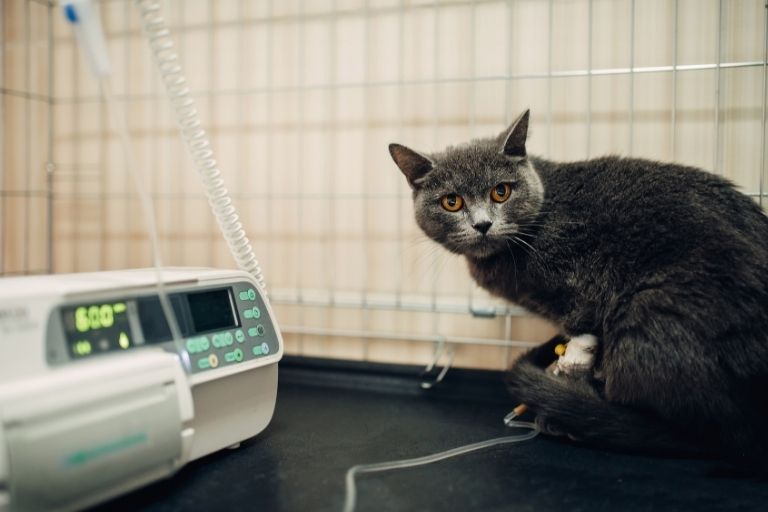
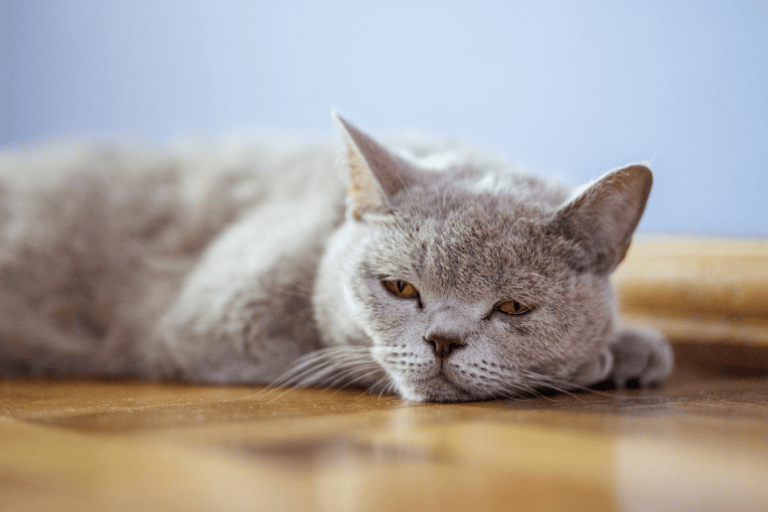
A dog or cat that hasn’t drunk enough water may appear lethargic, have dull-looking eyes, sticky saliva, and darker gums. If their kidneys are functioning properly, a dehydrated dog or cat will have urine that smells bad and is dark yellow in color. However, if your cat or dog has kidney disease, their urine may remain light in color even if they are dehydrated.
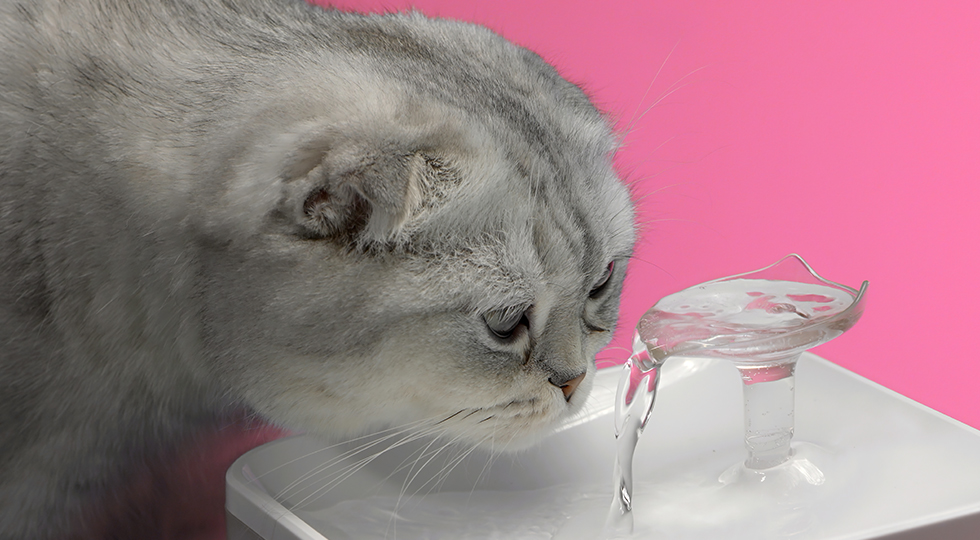
Cats, in particular, sometimes don’t drink enough water. There are a few things you can try to encourage them. For example, you can move the water bowl to a different spot or use a water fountain. For dogs, you can use a reward system. You can reward your dog with words like “good boy” or “good girl” after they drink their water.