What Are the Causes of Bad Breath in Dogs?

Bad breath in dogs...is a common problem. Just like in humans, bad breath in dogs is generally caused by bacteria that accumulate in the mouth and on the teeth, as well as by inadequate oral hygiene. This often indicates that the dog is not being properly cared for. However, bad breath can still occur even when the dog is well cared for. The cause of bad breath may be genetic or may stem from an acute illness developing in the dog. Bad breath in dogsIt is very important to consult a veterinarian to determine the exact cause. The main conditions that can cause bad breath are as follows:

  • The buildup of bacteria on the teeth, irregular brushing
  • Failure to maintain the dog's hygiene, poor care
  • Inflammation of the gums
  • Poor nutritional conditions
  • Injuries, inflammation, and various infections inside the mouth
  • An infection in organs such as the stomach, liver, or intestines
  • The presence of various internal parasites
  • Having kidney problems
  • Having issues related to blood sugar (diabetes)
  • Issues related to race and genetics

The reasons listed above can cause bad breath in dogs. To accurately determine the cause and source of the bad breath, dogs must be examined by a veterinarian. This ensures an accurate diagnosis, allowing dogs to receive appropriate treatment. As a result, the bad breath problem can be resolved, and dogs can regain their health. Dog owners can prevent bad breath from developing by taking necessary precautions and providing proper care for their pets. Recommendations on what dog owners should pay attention to and what measures they can take will be discussed in the following section.

Bad breath in dogs

What Can You Do to Prevent Bad Breath in Dogs?

Bakılan Bad breath in dogs There are certain factors that dog owners should keep in mind to prevent this problem from occurring. It is crucial for those responsible for dog care to pay attention to the following points, as this is just as important for the animal’s health as it is for preventing bad breath:

  • Consistently performing and monitoring the necessary procedures to ensure the dog’s care and hygiene
  • Make sure to clean your dog’s teeth a few times a week and brush them with special toothpaste
  • To help prevent bad breath, choose dry dog food and make sure your dog is well-nourished and healthy
  • Using various toys, help the dog eliminate bacteria and debris from its mouth through saliva and drool
  • Have your dog’s routine checkups done; have your dog examined at regular intervals
  • Ensuring that vaccinations are administered on a regular basis and properly tracked 
  • YNC Oral Cure Just a spritz provides 24 hours of fresh breath. Thanks to liposome technology, even a tiny amount applied to the gums instantly penetrates the mucous membrane, promoting healing at the source. This way, your pet’s breath stays fresh for 24 hours, while their teeth and gums begin to heal quickly.
  • ProDen PlaqueOff® You can help maintain your dog’s oral health by pouring it over their food. ProDen PlaqueOff® With its 100% natural, organic, and unique seaweed formula, it helps remove plaque that can cause bad breath.

YNC Oral Cure, is a postbiotic-containing liposomal oral and dental care product. As soon as the spray is applied to the gums, a film forms throughout the mouth, and the protective effect of this film lasts for 24 hours. The product’s effectiveness is not compromised by swallowing or saliva. The spray has anti-inflammatory, antiseptic, and anti-tartar properties. With its unique ability to protect oral flora, Tannaz provides visible results on tartar after 6 weeks of use.

ProDen PlaqueOff®, is a patented dietary supplement containing selected natural seaweed that has been shown in clinical trials to reduce plaque buildup and tartar formation and improve bad breath.

By paying attention to the above points, bad breath in dogs can be prevented. However, even with proper hygiene and care and the necessary attention, bad breath in a dog may still indicate an underlying health issue. For this reason, regular checkups are of vital importance. It is essential to consult a veterinarian to determine the cause of bad breath that cannot be prevented or whose cause is unclear.

How to Potty Train Your Dog?

Dogs are man’s best friends, known for their loyalty and affection. While there are many benefits to living with a dog, there are also some drawbacks. The biggest challenge of owning a dog is managing their bathroom needs. Like cats, dogs may not know where to go to the bathroom at first. That’s why they need to be trained.

Potty Training for Dogs

Potty training for dogs, a topic that many people interested in keeping a dog at home often wonder about, köpeklerde tuvalet eğitimian important topic to understand in order to minimize your dog’s potty problems and manage its bathroom needs. The reason a dog relieves itself in the same spot or in an area where it has previously gone to the bathroom is that it has not been properly potty trained. There are key points you need to know to manage your pet’s bathroom needs.

1. The First Rule Is to Be Patient

Training should begin the moment your dog arrives home. Otherwise, your dog may relieve itself anywhere in the house. Potty training isn’t easy because, unlike cats, dogs don’t groom themselves and aren’t particularly fond of cleanliness. As a result, dog owners need to be very patient with all the little accidents. They should spend time with their furry friends and be prepared for potty accidents.

2. Age Matters in Potty Training

Once you’ve decided where your dog should go to the bathroom, the first key factor in potty training is your dog’s age. If your dog is a puppy, training is easier in some ways. Since your dog hasn’t been trained by anyone else yet, it will be easier for them to adjust to your household routine.

However, since puppies aren’t yet used to following commands, they must first learn to listen to you. If your dog lived somewhere else before you adopted it, it will want to continue its old habits. However, adult dogs are better at obeying commands than puppies.

3. Prepare the Area Where the Toilet Will Be Installed

Dog owners tend to convert second bathrooms, unused rooms, or areas like patios and balconies into dog toilets. Show your dog these areas as soon as they arrive home so they can claim them as their own. When your dog first comes home, it will urinate to mark the house as its territory. Once you realize this, take it immediately to the bathroom and do not let it go anywhere else until it urinates.

Afterward, give them a treat and praise them every time they go to the bathroom. Be sure to place newspaper, dog litter, or a dog potty pad in this area of the bathroom and make sure they use these materials. Never prevent your dog from sniffing out the smelly items. Also, do not replace the potty areas with clean items until your dog needs to go to the bathroom a second time. This way, a dog that goes to the bathroom a second time and sniffs its own feces and urine will gradually begin to understand that this is the potty area.

4. Keep Every Area Outside the Restroom Area Clean

Dogs use their unique sense of smell to determine where to relieve themselves. So if your dog is using the bathroom in any part of the house, if you don’t clean that area and eliminate the odor, they will try to use the bathroom in the same spot again. This way, your dog should not detect any unpleasant odors anywhere other than the designated bathroom area.

If they detect odors from rooms like the bathroom or toilet, they may defecate there. Keep the doors to these areas closed and never allow your dog to enter them. The presence of trash in the house is also a trigger for your dog. To address this, it’s helpful to keep trash outside, such as on balconies or in the yard. Since everything outside their designated bathroom area is clean and odor-free, your dog has been trained not to use the bathroom anywhere else in the house.

5. Observe Your Dog Closely

Dogs will want to relieve themselves immediately after eating. Therefore, take them outside to the bathroom right after they’ve eaten and drunk water, and wait for them to go. Reward them for going in the right spot. If they go in the wrong place, correct them with short commands and never punish them. Always supervise your pet during potty training. Dog behaviors stem from habits, and they instinctively respond the same way to similar situations.

Your dog always performs the same actions when going to the bathroom. Therefore, carefully observe how he behaves and what actions he takes when he needs to go. Observe its behavior until it reaches the potty you’ve placed in an easily accessible spot. The moment it repeats the same behavior, immediately take it to the designated potty area. Dogs don’t always poop or pee when they go to the bathroom. Sometimes they go to the bathroom when they’re bored or sick.

To view another article we’ve written on “Litter Box Training for Cats” tıklayınız…

How Can You Tell When Your Cat Needs to Use the Litter Box?

Many people wonder how to tell when a cat needs to use the litter box. Cat owners or those considering adopting a cat may want to learn how to do this. To determine whether a cat needs to use the litter box, you need to observe them. If a cat has previously used a particular spot, it will pick up the scent there.

When a cat needs to use the litter box, it will want to go in the same spot because it recognizes the scent there. Cats may also try to find a suitable corner when they need to use the litter box. In such situations, it’s possible to tell that a cat needs to use the litter box. Unfortunately, it’s not usually possible to tell whether a cat needs to use the litter box based on its behavior alone.

Litter Box Training for Cats

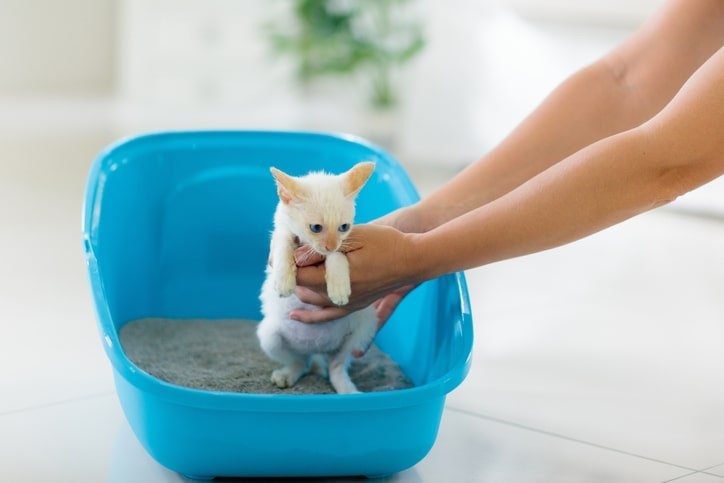
Kedilere tuvalet eğitimi Potty training cats is very important. As soon as a cat is brought home after adoption, potty training should begin immediately. The cat must be taught to use the litter box. If you notice the cat needs to go, it helps to pick it up and place it in the litter box. In the early morning, the cat should be taken to the litter box after eating.

The same routine should be followed before bedtime as well. This helps the cat get used to the process and completes its litter box training. You should continue this routine until the cat gets used to the situation and starts using the litter box on its own. Generally, cats get used to the litter box within a week, and the training is complete. The cat’s age—whether it’s an adult or a kitten—does not matter. Every cat should be litter box trained as soon as it is brought home.

Litter Box Training for Kittens

Although cats can be litter-trained at any age, it is easier to do so with kittens because they are more receptive to learning. When you bring a kitten home, it’s possible to help it develop litter box habits in a short period of time. All you need to do is place the kitten in the litter box, stir the litter, and show it to the kitten. Once the kitten learns to dig in the litter, you can leave it alone to allow it to mark the litter with its own scent.

 This way, the cat will get used to the litter and start using it as a bathroom. Once the cat has gotten used to the litter, it’s important to give it food and water. About half an hour after feeding, you can take it to the litter box to encourage it to use it. If the kitten doesn’t use the litter box, you may need to mix the litter again to show it how. This is how you can train kittens to use the litter box.

What Should You Do If You Notice Your Cat Needs to Use the Litter Box?

If you notice that your cat needs to use the bathroom, you may need to take it to the litter box or cat litter. If your cat has been litter-trained and is used to using the bathroom on its own, you don’t need to do anything. The cat will go to the litter box on its own to use the bathroom. However, if it hasn’t been trained, it’s important to take it to the litter box and help it until it gets used to it.

Once a cat gets used to it, it will go to the litter box every time it needs to relieve itself. Cats generally don’t clean their own litter. Therefore, you need to clean the litter box. It’s important to clean and disinfect the litter box about once a week. This helps create a more comfortable environment for the cat. A larger litter box is also beneficial for cats. This is because when these animals can move around comfortably, they find it easier to use the litter box and adapt to it.

When Should Cat Litter Be Changed?

Cat litter should be changed at regular intervals. This helps cats feel more comfortable. Generally, it is important to change the litter every three weeks. Additionally, clumps of litter and feces should be removed daily. It is best to keep the litter clean. If there is an issue such as an illness or a parasite, the litter should be changed at the intervals recommended by your veterinarian.