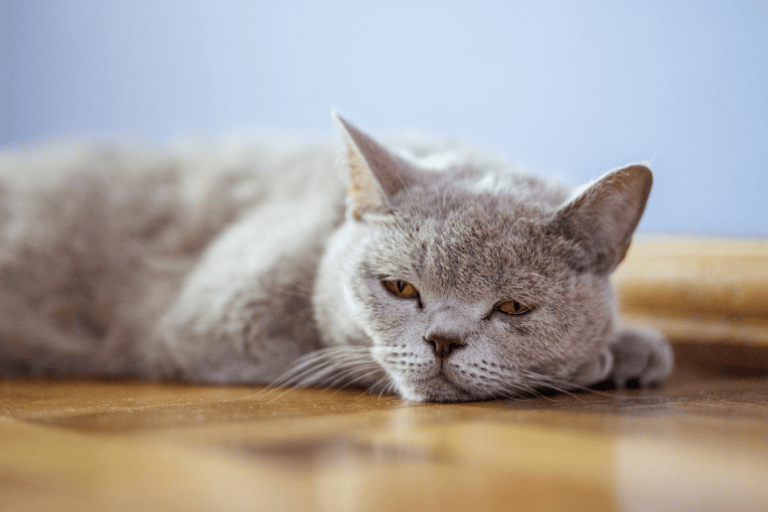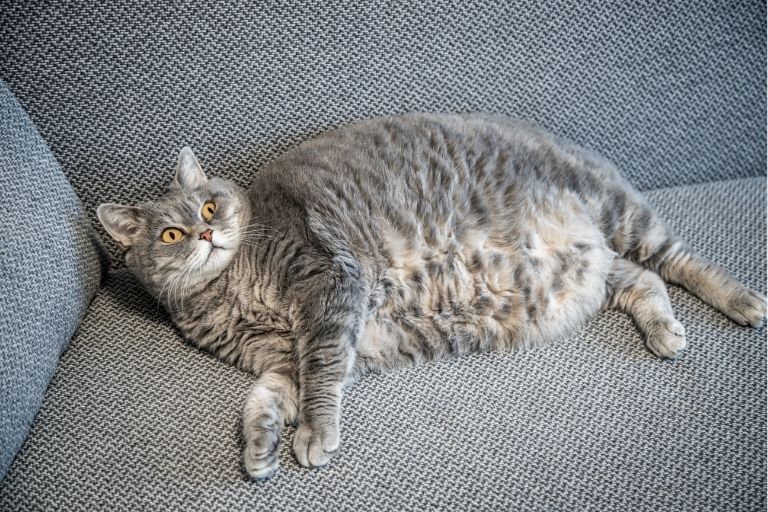
Obesity in cats and dogs doesn’t just mean carrying excess weight
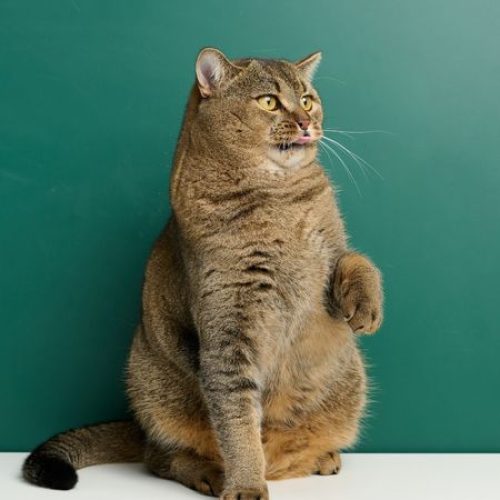
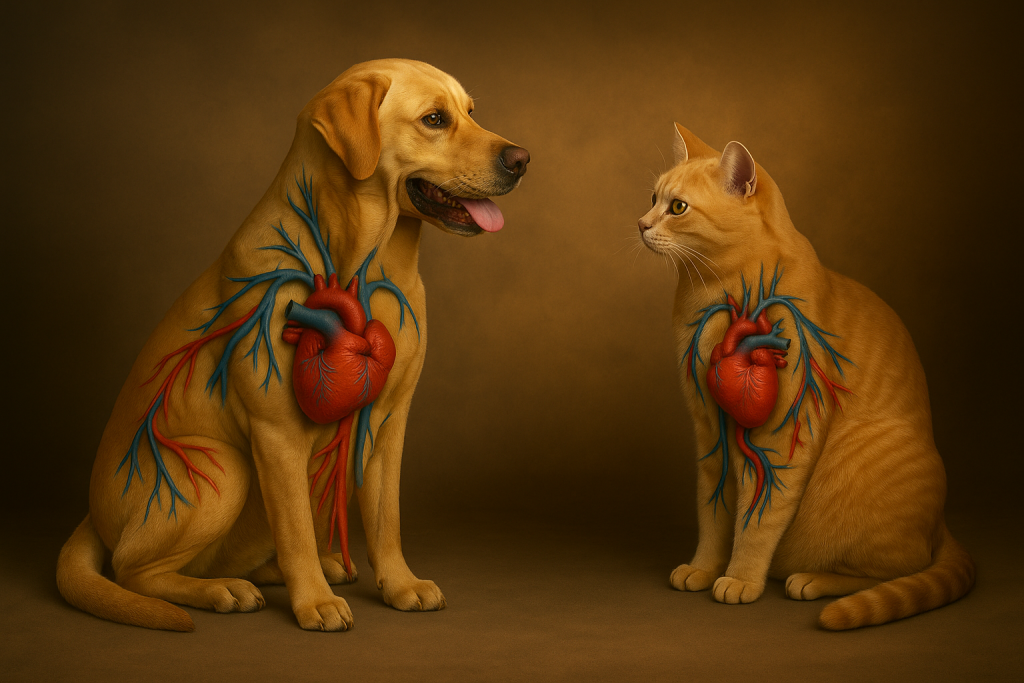
Obesity has become a major health issue for both humans and pets today. In cats and dogs, obesity doesn’t just mean carrying excess weight; it also sets the stage for many health problems, such as diabetes, heart disease, and joint issues.
Obesity is a condition characterized by excessive fat accumulation in the body. Its main causes are as follows:
However, cats and dogs that live indoors are particularly prone to gaining weight if they don’t get enough exercise. Certain hormonal disorders can also lead to weight gain.
Excess weight can significantly reduce an animal’s quality of life and lead to serious health problems.
The Effects of Excess Weight on Animal Health
- Risk of Metabolic Disease:
- Excessive Strain on the Joints
- Respiratory and Heart Problems
- Risk of Fatty Liver (Hepatic Lipidosis)
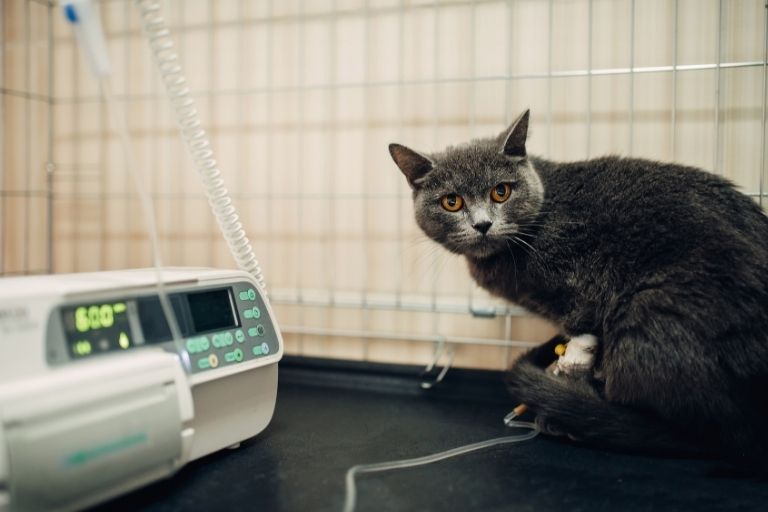
Obese cats may develop insulin resistance, increasing their risk of developing diabetes. Excess weight puts strain on the joints and can lead to conditions such as arthritis. Overweight animals may have difficulty breathing and become more prone to heart disease. In particular, the risk of fatty liver disease (hepatic lipidosis) increases in cats.
Obesity is a condition that seriously threatens the health of our pets. However, it can be prevented and treated through a balanced diet, regular exercise, and proper care. Maintaining a healthy weight is crucial for ensuring our beloved pets lead healthy and happy lives! Be sure to consult your veterinarian for the best plan of action.