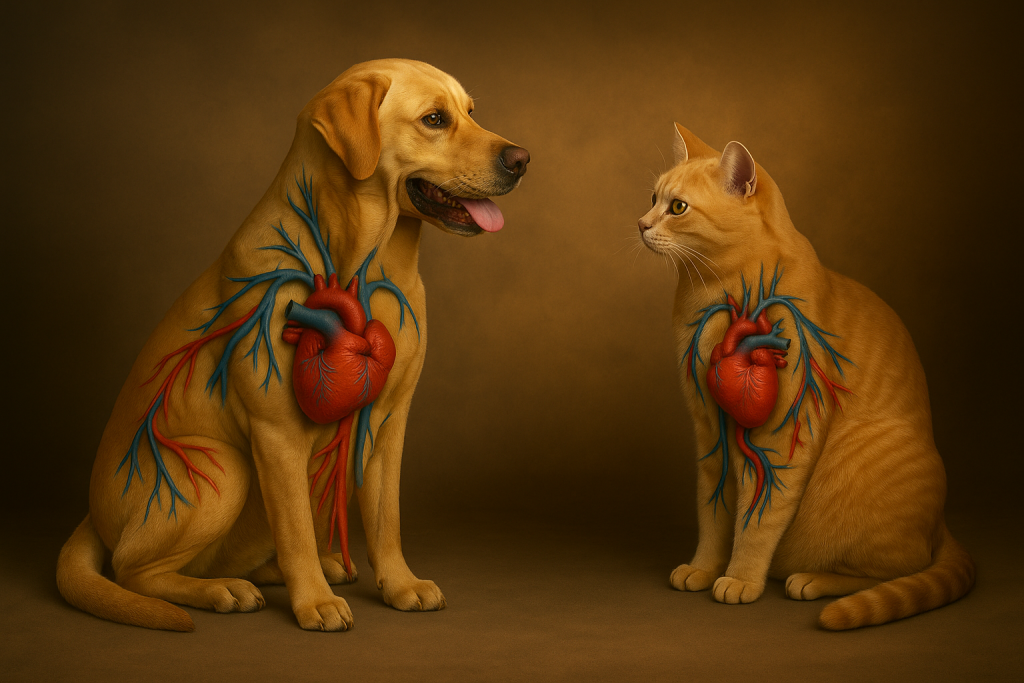
One of the most vital systems in our pets’ bodies is the circulatory system.
The circulatory system in cats and dogs ensures the transport of oxygen and nutrients to the organs, the removal of waste products, and the maintenance of overall health.
In this article, we will explore how the circulatory system works in cats and dogs, potential issues, and what to watch out for.
The circulatory system in cats and dogs, like in humans, consists of three main components: the heart, blood vessels, and blood.
How Does the Circulatory System Work?
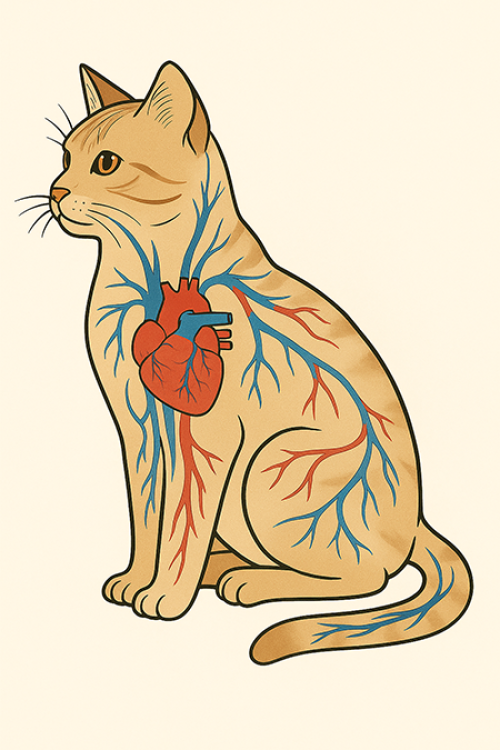
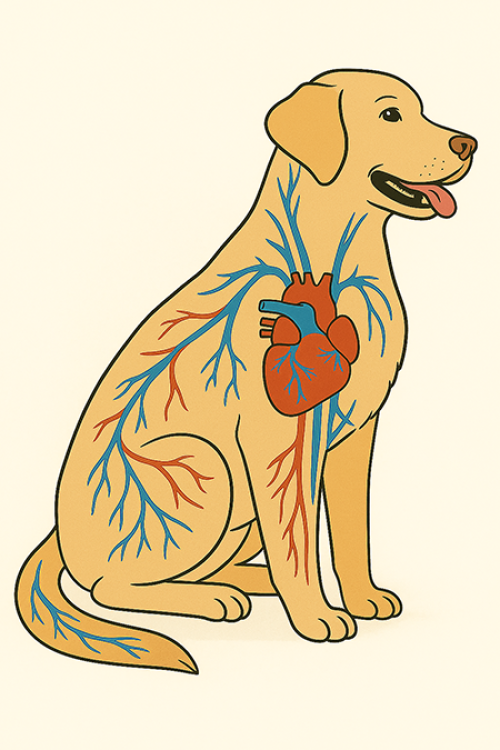
The heart pumps blood through the lungs to oxygenate it and distributes it throughout the body. Blood enriched with oxygen and nutrients reaches the organs via the arteries. Unused waste products and carbon dioxide in the body are transported back to the heart and lungs via veins and expelled from the body. This stress can lead to hormonal imbalances, a weakened immune system, and skin redness. These changes in the skin can cause various conditions such as itching, redness, flaking, and allergies.
The heart pumps blood through the lungs to oxygenate it and distributes it throughout the body. Blood enriched with oxygen and nutrients reaches the organs via the arteries. Unused waste products and carbon dioxide in the body are transported back to the heart and lungs via veins and expelled from the body. This stress can lead to hormonal imbalances, a weakened immune system, and skin redness. These changes in the skin can cause various conditions such as itching, redness, flaking, and allergies.
Circulatory System Disorders and Symptoms
Problems with the circulatory system can lead to serious health issues. The most common conditions include:
• Heart failure: The heart's ability to pump blood decreases, and symptoms such as fatigue, shortness of breath, and coughing may occur.
• High blood pressure (Hypertension): It may be associated with kidney disease, particularly in cats.
• Blood clot formation (thromboembolism): It is more common in cats and can cause paralysis.
• Anemia: It is caused by insufficient red blood cell production or blood loss.
Problems with the circulatory system can lead to serious health issues. The most common conditions include:
• Heart failure: The heart's ability to pump blood decreases, and symptoms such as fatigue, shortness of breath, and coughing may occur.
• High blood pressure (Hypertension): It may be associated with kidney disease, particularly in cats.
• Blood clot formation (thromboembolism): It is more common in cats and can cause paralysis.
• Anemia: It is caused by insufficient red blood cell production or blood loss.
Ways to Maintain a Healthy Circulatory System
1. Balanced Nutrition:
High-quality pet foods containing omega-3, taurine, and antioxidants should be chosen.
2. Regular Exercise:
Exercises suitable for heart and vascular health are important.
3. Veterinary Checkups:
Early detection may be possible through annual checkups.
The circulatory system in cats and dogs is one of the cornerstones of their overall health.
By taking care of your pets’ heart and vascular health, you can help them live long and happy lives.
Early detection of symptoms can help prevent serious illnesses through veterinary examination.
Our Related Products