

Diabetes in cats and dogs is an insidious metabolic disease that can lead to serious consequences.
Our pets are among the most precious parts of our lives. We do everything we can to ensure their health and happiness. However, some diseases can lead to serious health problems if left undetected. Diabetes in cats and dogs is a chronic condition that is particularly common in middle-aged and older animals and requires proper management.

Diabetes is a condition that occurs when the body cannot produce or use the hormone insulin. Insulin is a hormone that helps transport sugar (glucose) from the blood into cells. When there is not enough insulin or when it does not work effectively, glucose builds up in the blood, leading to hyperglycemia (high blood sugar).
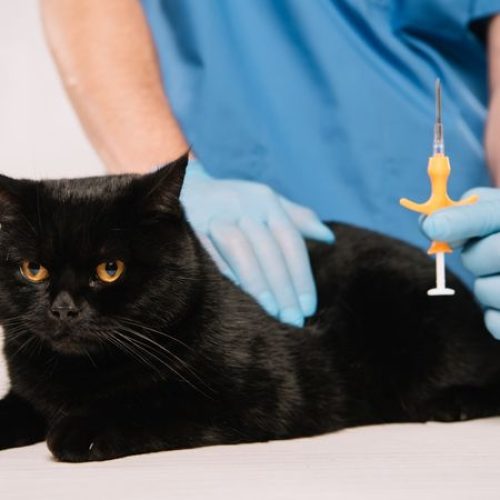
Disruptions in metabolism and energy balance can lead to various health problems. The most common symptoms are as follows: • Excessive thirst (Polydipsia): Thirst increases as the body tries to eliminate excess sugar through urine. • Frequent urination (Polyuria): High blood sugar levels cause the kidneys to produce more urine. • Increased appetite (Polyphagia): A constant feeling of hunger develops because cells cannot obtain energy. • Weight loss: Since there is insufficient insulin, the body uses fat and muscle tissue as an energy source. • Lethargy and drowsiness: Due to energy deficiency, drowsiness and lack of energy may occur during the day. • Dull and shedding fur: Long-term diabetes negatively affects skin and coat health. • Vision loss and cataracts: These are significant complications of advanced diabetes, particularly in dogs.
If you observe any of the above symptoms in your pet,
you should consult a veterinarian.
Although the exact cause of diabetes is not fully understood, certain factors play a role in the development of the disease:
Some breeds are more prone to diabetes, meaning your pet may have a genetic predisposition. Being overweight can increase the risk of developing diabetes by raising insulin resistance. Hormonal disorders such as Cushing’s disease and hyperthyroidism can disrupt insulin balance, while pancreatitis can negatively affect insulin production. Additionally, long-term corticosteroid use can also increase the risk of diabetes.
Treatment and Management of Diabetes
Most cats and dogs with diabetes require daily insulin injections. Low-carbohydrate, high-protein diets are generally recommended. While high-fiber foods are preferred for dogs, a low-carbohydrate diet may be more suitable for cats. Regular exercise is important to prevent obesity and balance blood sugar levels. Regular veterinary checkups are essential for monitoring blood sugar levels and overall health.
Living with Diabetes: The Importance of Early Diagnosis and Proper Care
When properly managed, diabetes in cats and dogs does not prevent your pet from leading a healthy and happy life. With early diagnosis and appropriate treatment, it is possible to keep the condition under control. If you notice signs of diabetes in your pet, it is important to consult your veterinarian without delay.
Our Related Products
