Coprophagia; literally defined as the act of eating feces, is a behavioral disorder observed in cats and dogs. One of the most common disorders in pets, the habit of eating feces, is rarely seen in cats but frequently observed in dogs. These negative habits observed in cats and dogs often lead to serious animal diseases. This is because certain viruses and bacteria found in feces enter the bodies of cats and dogs, causing significant health issues.
Cats or dogs that have a habit of eating feces typically eat their own feces, but they may also eat the feces of other animals. In such cases, it is essential that the cat or dog receive the necessary treatment.
Dogs that exhibit the habit of eating feces are typically young puppies. Since the feces of puppies that are still nursing contain a certain amount of protein, mother dogs eat their puppies’ feces. Puppies who witness this behavior begin to eat feces because they imitate their mothers. Puppies or kittens usually stop eating feces immediately after weaning. Under normal circumstances, this habit begins this way and ends when the puppies are weaned. However, some cats and dogs continue to eat feces even after they have stopped nursing from their mothers. In such cases, certain nutritional deficiencies or various health issues may arise. Therefore, the habit of eating feces observed in dogs or cats must be addressed immediately.
Causes of Coprophagia
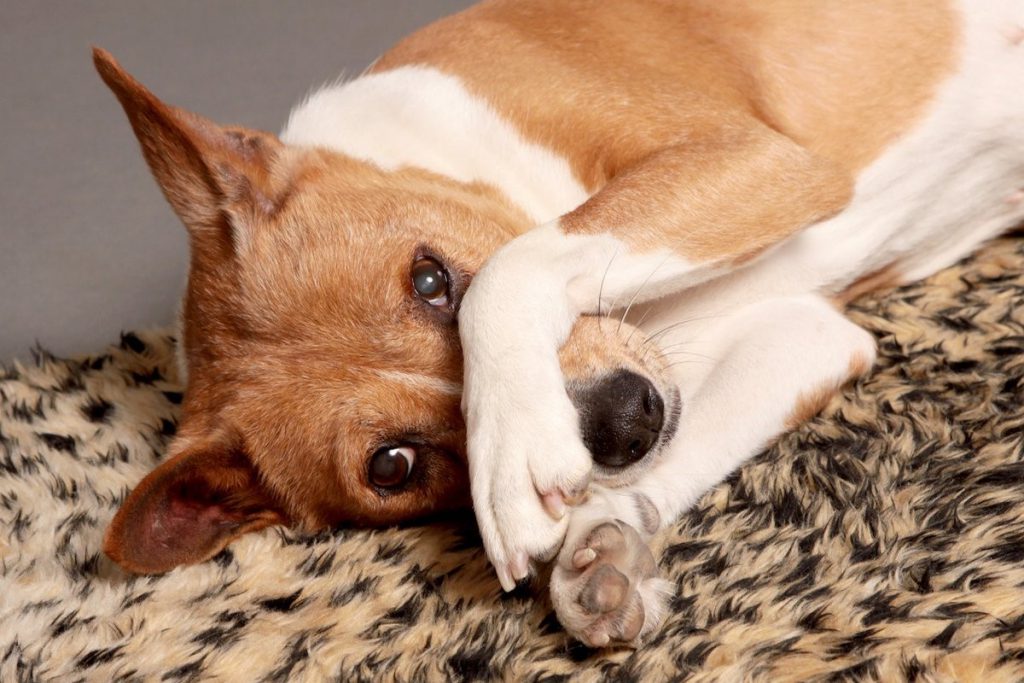
In addition to the reasons mentioned above, there are other factors that can lead to the habit of eating feces in dogs. Therefore, the exact cause of the fecal-eating behavior must first be identified, and appropriate measures should be taken. The main causes of the habit of eating feces in dogs, as outlined at and, are:
- A tendency to consume non-food substances due to an inability to obtain sufficient minerals from the diet
- The tendency of pets, particularly those kept in apartments, to eat their own feces in an attempt to eliminate it, stemming from discomfort caused by defecating in their living space due to a lack of sufficient outdoor exercise
- Keeping the dog chained up all the time
- Sedentary lifestyle
- Spending a lot of time in the same environment
- Digestive problems and intestinal disorders
- Various scents that dogs enjoy
- The desire to receive attention from their owners or other animals
- Excessive and intense stress in animals
All of these are among the primary factors that trigger the habit of eating feces in dogs. Pet owners must find a solution to this problem as soon as possible. This is because dogs and cats that eat feces can develop a wide variety of diseases caused by parasites. Additionally, harmful viruses and parasites that accumulate in the fur and mouth of animals due to this habit can also spread to humans. Consequently, this can lead to unwanted diseases in both humans and animals.
What can be done to prevent our pet from eating its own feces:
- The cause of the habit of eating feces must be identified. To do this, you should consult a veterinarian.
- If the cause is related to diet, you should switch to high-quality dry food
- Vetri Science Canine Plus Multivitamin will provide your dog with the essential vitamins and minerals it needs, helping to prevent coprophagia more effectively
- In cases of anxiety, spend more time with your cat or dog and take them for longer walks outside
- With the help of the natural ingredients in Vetri Science Composure it will be easier for you to prevent anxiety-related behaviors in your cat or dog.